


Strong wind, heavy rain, lightning, and saturated soil can turn a healthy-looking tree into a safety problem in minutes. A large branch may split over a driveway, a trunk may lean toward a roof, or exposed roots may show that the tree shifted during the storm. Once the weather clears, it’s natural to want the yard cleaned up fast. Yet storm debris can hide hazards that aren’t easy to spot from the ground.
That’s why tree damage cleanup should begin with safety and a careful tree assessment, not a chainsaw. ArborWorks can inspect the damaged tree, separate minor pruning needs from serious structural problems, and recommend the safest next step. Some trees can recover with proper trimming and follow-up care. Other trees may need storm damaged tree removal before another limb or the entire trunk comes down.
Tree Damage Cleanup Starts With a Safety Check
Before anyone moves branches or starts cutting, look at the area from a safe distance. A broken limb may seem settled on the ground but still carry tension from another branch. A split trunk can shift without much warning. A tree leaning after the storm may have lost root support, especially after days of heavy rain.
Keep children, pets, vehicles, and unnecessary foot traffic away from damaged trees. If a tree or branch is touching an electrical line, stay clear and contact the utility provider. Don’t try to pull the branch away or cut nearby wood.
Next, check for signs that call for an arborist right away:
- Large hanging or broken limbs: A branch caught in the canopy can fall later, long after the storm has passed. Wind, rain, or the branch’s own weight may be enough to bring it down, so the area below should remain clear until ArborWorks can inspect it.
- A newly leaning tree: A fresh lean can point to root failure or soil movement. Look for lifted soil, cracked ground, or exposed roots near the base, then keep away from the fall zone.
- Splits in the trunk or major limbs: A deep crack can weaken the tree far beyond the visible opening. In some cases, the tree may still stand for a short time, yet the damaged section can fail during the next round of wind.
- Damage over a home, driveway, road, fence, or play area: Location changes the risk. A broken limb over an unused part of the yard isn’t the same problem as a damaged tree over a roof or a place where people pass every day.
University of New Hampshire Extension advises that trees too large to handle from the ground should be pruned by trained arborists, since loose, cracked, and bent branches can create serious hazards. Read the University of New Hampshire Extension guidance on pruning storm-damaged trees
Tree Damage Cleanup Requires More Than Picking Up Fallen Limbs
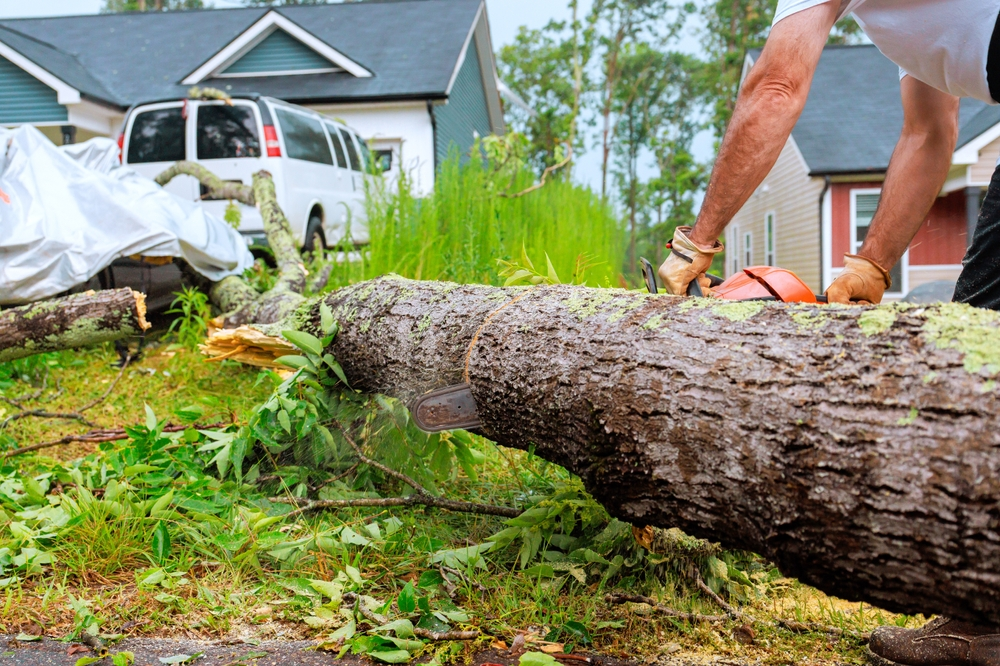
A basic yard cleanup removes what already fell. A true tree damage cleanup service checks what may fall next.
After a storm, ArborWorks looks at the entire tree, including the crown, trunk, branch unions, and visible root area. The goal is to find damage that could change the tree’s stability or recovery. From there, the arborist can decide whether pruning, monitoring, cabling in select cases, or removal makes sense.
For example, a tree may lose one medium-sized branch and still have a strong trunk, sound roots, and a balanced canopy. That tree may be a good candidate for corrective pruning. By comparison, a tree with a cracked main trunk, lifted root plate, or several failed leaders may have a much lower chance of safe recovery.
A Tree Health Inspection can help property owners get a clearer picture before deciding what stays and what needs to come down. This is especially useful when the damage looks minor from one angle but affects major structural parts of the tree.
Tree Damage Cleanup Can Include Careful Pruning
Not every storm-damaged tree needs removal. In many cases, proper pruning can remove broken wood and give the tree a better path to recovery.
ArborWorks may recommend Tree Trimming when the main trunk and root system remain sound. Cuts need to be placed correctly so the tree can close wounds in its normal way. Random cuts, flush cuts, and tree topping can create new problems and leave weak growth behind.
During storm damage tree cleanup, pruning may focus on:
Removing broken branches that could fall.
These branches can pose an immediate risk near buildings, walkways, vehicles, and outdoor gathering areas. ArborWorks can remove unstable wood without causing extra damage to the trunk or nearby branches.
Reducing torn or jagged branch damage.
Storms can rip branches away and leave rough wounds. A proper pruning cut can clean up the damaged area without cutting deeper into healthy trunk tissue.
Restoring a safer branch structure over time.
A badly damaged tree may need more than one pruning visit. Trying to reshape the whole tree in one day can remove too much live canopy, so staged care may be the better choice.
Checking branches that bent but didn’t break.
Bent limbs can contain cracks that aren’t obvious from below. An arborist can check branch unions and wood condition before deciding whether a limb can stay.
This is one reason a tree clean up service should be more than debris hauling. Removing branches from the lawn is useful, but the remaining tree still needs attention.
Tree Damage Cleanup May Lead to Storm Damaged Tree Removal
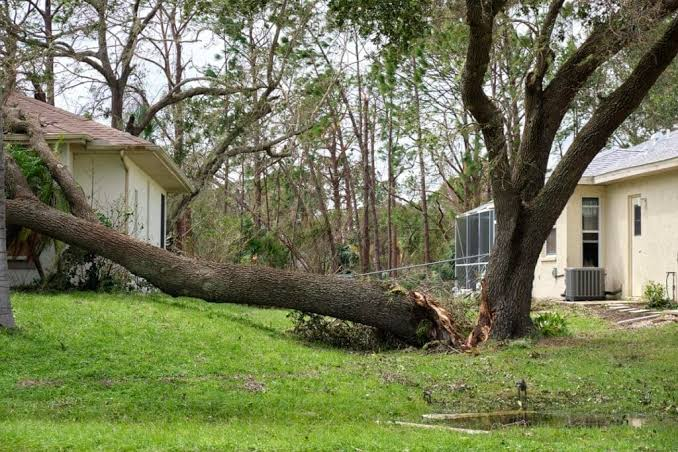
Some trees can’t be made reasonably safe after severe storm damage. If the trunk split, the root plate lifted, decay weakened the main structure, or a large part of the crown failed, removal may be the safer call.
ArborWorks approaches Tree Removal as a risk decision, not a shortcut. The condition of the trunk, roots, crown, species, location, and nearby targets all matter. A damaged tree beside a home calls for a different level of concern than the same tree in an open area.
Storm damaged tree removal may make sense when:
The main trunk has a major split
Bracing or pruning can’t fix every trunk failure. When the trunk can no longer support the crown safely, removal may prevent a larger failure later.
Roots have lifted or torn.
Trees depend on structural roots for support. If the root plate moved during the storm, the tree may not regain dependable stability.
A large share of the crown is gone
Severe canopy loss can leave poor structure and long-term decline. At that point, keeping the tree may create repeated pruning costs with no good path back to a stable form.
Decay was present before the storm
Wind often exposes a weakness that already existed. Hollow areas, fungal decay, old wounds, and weak branch unions can turn storm damage into a much bigger problem.
The University of Florida IFAS notes that decisions after hurricane damage should account for canopy loss, trunk and limb cracks, root condition, decay, and the tree’s structure before the storm.
Tree Damage Cleanup Should Include Photos and Property Documentation
Before cleanup starts, take clear photos from a safe location. Capture the whole tree, fallen limbs, damage to structures, and the area where the tree failed. These images may help with an insurance claim or contractor estimate.
Then, write down the date of the storm and the damage noticed afterward. If a branch hit a roof, vehicle, fence, shed, or other property, keep those records together. Don’t climb onto a damaged roof or walk under hanging branches just to get a better photo.
At the same time, avoid delaying an urgent safety response just to collect more pictures. If a damaged tree could fall into an occupied area, ArborWorks can help address the hazard first. Photos can still be taken from a safe point before work begins when conditions allow.
Tree Damage Cleanup Is Safer With ArborWorks
Storm cleanup can look simple from the ground. The hard part is knowing how the wood is loaded, whether the trunk has hidden cracks, whether roots shifted, and which cut could cause a branch to swing or drop.
ArborWorks brings trained tree care to the site, along with the equipment needed for large limbs, unstable trees, and difficult access. A storm damage tree cleanup visit can include assessment, pruning, tree removal, debris handling, and recommendations for trees that remain.
Hiring ArborWorks can help property owners avoid common post-storm mistakes such as cutting a loaded limb from the wrong side, removing too much canopy, leaving dangerous hangers in the tree, or assuming a standing tree is automatically stable.
For homes and properties across the local service area, visit Areas We Serve to check ArborWorks coverage.
Tree Damage Cleanup Can Start Before the Next Storm
Post-storm cleanup solves the problem in front of you, but future risk deserves attention too. Trees with weak unions, dead branches, heavy end weight, decay, or poor clearance around structures may be more likely to fail during severe weather.
A Storm Prep & Risk Mitigation assessment gives ArborWorks a chance to find concerns before high winds test the tree again. From there, selective pruning, deadwood removal, clearance work, or removal of a high-risk tree can lower the chance of avoidable damage.
For that reason, don’t wait for another storm to point out the same weak branch. A tree that survived one storm may still carry damage into the next season.
Tree Damage Cleanup Conclusion: Get the Property Safe and the Trees Checked
After a major storm, fallen branches are only part of the problem. The bigger question is whether the trees still standing can remain safe. Tree damage cleanup from ArborWorks gives property owners a practical path from storm debris to a clear tree-care plan.
If you have broken limbs, a leaning tree, a split trunk, or a tree resting on a structure, contact ArborWorks for a professional assessment and cleanup plan. The right response may include pruning, storm damage tree cleanup, or storm damaged tree removal based on what the tree can safely support.
Schedule Tree Damage Cleanup With ArborWorks
Need help after a storm? ArborWorks can inspect damaged trees, remove hazardous limbs, clean up debris tied to the work, and recommend the safest next step for the property.
Call (985) 951-0128 or contact ArborWorks online to schedule tree damage cleanup and get damaged trees checked by an ISA-certified arborist.
Tree Damage Cleanup FAQs
Can a storm-damaged tree be saved?
Yes, many trees can recover if the main trunk, major limbs, and roots remain in good condition. ArborWorks can inspect the damage and decide whether pruning and follow-up care can return the tree to a safer structure.
How soon should tree damage cleanup happen after a storm?
Hazards such as hanging limbs, split trunks, uprooted trees, and damage near buildings should be checked as soon as conditions are safe for tree work. Less urgent pruning can be scheduled after the immediate hazards are controlled.
Should a homeowner cut a broken branch after a storm?
Small debris on the ground can often be moved safely once the area is clear. Large branches, hanging limbs, bent wood under tension, and cuts above ground level are better left to trained tree workers.
What is included in a tree clean up service?
The scope can vary by property. ArborWorks may assess damaged trees, remove hazardous branches, prune broken wood, remove trees that can’t be retained safely, and clear tree debris tied to the work.
When is storm damaged tree removal needed?
Removal may be needed when the trunk has major cracks, the root system shifted, decay weakened the tree, or the remaining crown can’t support a safe long-term structure. An arborist inspection can help confirm the best course.
Can tree damage appear days or weeks after the storm?
Yes. Some cracks, leaning branches, canopy dieback, and root-related problems become easier to see later. For that reason, check storm-affected trees again and schedule an inspection if anything changes.