


Fruit trees need the right nutrients at the right time, but more fertilizer doesn’t always mean more fruit. In fact, feeding a tree at the wrong time or applying too much nitrogen can push out soft, leafy growth instead of supporting flowers, strong branches, and fruit.
For many established fruit trees in southeast Louisiana, late winter is the main feeding window. February often works well for apples, peaches, nectarines, figs, pears, and similar fruit trees. Citrus may need fertilizer a little earlier, and young trees may need a different schedule. For that reason, the answer to when to fertilize fruit trees depends on the species, age, soil, recent growth, and condition of the tree.
ArborWorks helps property owners make that call with professional tree care based on what the tree is actually showing, not on a one-size-fits-all calendar.
Key Takeaways
- Late winter is a common starting point for established fruit trees. In Louisiana, February often gives many fruit trees access to nutrients just before spring growth picks up. The exact week can shift based on the fruit type, recent weather, and the tree’s stage of growth.
- Newly planted fruit trees may need more time before feeding. A new tree needs to settle into the site and start root growth before fertilizer goes down. Feeding too soon can stress tender roots and push top growth before the root system can support it.
- Soil testing can prevent guesswork. A soil test can show pH and nutrient levels, which helps avoid adding fertilizer a tree doesn’t need. Too much of one nutrient can create new problems instead of fixing the old ones.
- More fertilizer isn’t always better. Heavy nitrogen can lead to long shoots and lots of leaves with less fruit production. It can leave fresh growth more open to cold injury later in the year.
- Tree health should guide the plan. Pale leaves, short yearly shoot growth, poor fruiting, weak branches, root problems, pests, or disease can all change the next step. An ArborWorks Tree Health Inspection can help separate a nutrient problem from another tree issue.
When to Fertilize Fruit Trees in Late Winter and Early Spring
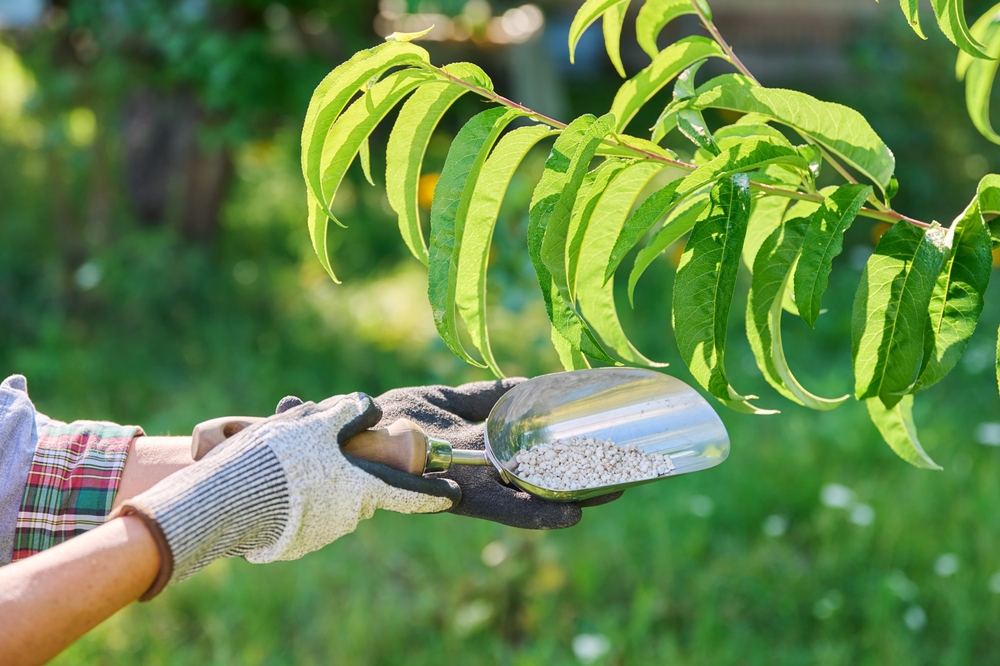
For many established fruit trees, late winter gives fertilizer time to move into the root zone before the spring growth flush. Around the Northshore, February is often a practical window for many hardy fruit trees.
LSU AgCenter guidance lists February as a common feeding period for several fruit trees grown in Louisiana. Its guidance for peaches, plums, and nectarines calls for a late-January to mid-February application before bud break, based on tree condition and soil needs.
That timing doesn’t mean every tree should receive the same product or rate. A mature peach tree, a young pear tree, and an older fig can have very different needs. A tree growing in rich soil may need little extra fertilizer. A tree in sandy soil, compacted ground, or a stressed root zone may need a more careful plan.
For homeowners asking when is the best time to fertilize fruit trees, the safest answer is to match the application to the tree’s growth cycle and the soil. ArborWorks can inspect the tree, look at shoot growth and leaf color, check the site, and recommend Tree Fertilization when feeding makes sense.
When to Fertilize Fruit Trees That Were Recently Planted
New fruit trees need patience. Fertilizer added at planting can place salts close to new roots and may push leafy growth before the tree has settled into the soil.
A better plan is to let the tree establish first. Once new growth appears and the root system starts working through the surrounding soil, a light feeding may make sense based on the species and site.
Citrus is a good example. LSU AgCenter advises waiting until a newly planted citrus tree shows new growth before feeding it. Older citrus trees in Louisiana commonly receive fertilizer in late January or early February.
This is one reason the question “when to fertilize fruit tree growth” needs more than a date on the calendar. Tree age matters just as much as the month.
When to Fertilize Fruit Trees Based on Soil and Tree Condition
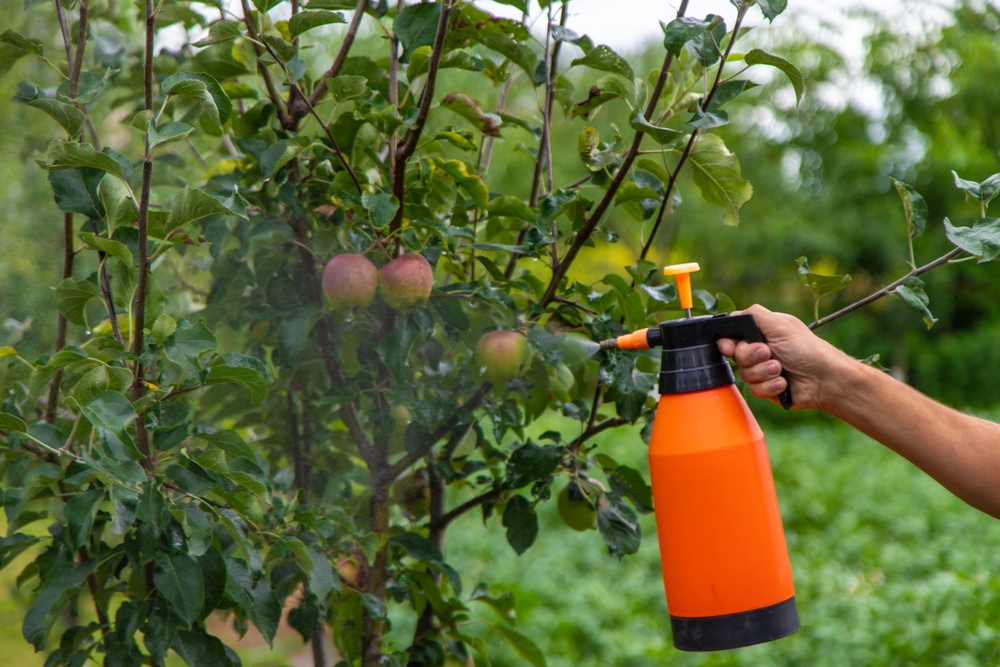
Before spreading fertilizer, look for signs that point to the tree’s real needs. A fertilizer bag can’t diagnose compacted soil, root damage, poor drainage, insects, disease, or branch problems.
A good review should look at several clues:
Check annual shoot growth.
Healthy fruit trees usually make a reasonable amount of new growth each year. Very short growth can point to stress, low fertility, poor roots, or another problem. Very long, soft shoots can point to too much nitrogen.
Look at leaf color and size.
Pale or undersized leaves can appear when nutrients run low, but those same signs can show up with root trouble or poor drainage. For that reason, visual symptoms work best when paired with a soil test and tree inspection.
Review fruit production.
A tree with heavy leaf growth and weak flowering may already be getting too much nitrogen. In that case, another fertilizer application could make the imbalance worse.
Check the root zone.
Lawn fertilizer, mulch depth, standing water, construction soil, and nearby hard surfaces can change how roots take up water and nutrients. The area below the canopy often tells as much of the story as the leaves.
Test the soil.
Soil pH affects how easily roots can use nutrients already in the ground. Testing can show whether a nutrient is low, high, or blocked by poor soil chemistry.
When to Fertilize Fruit Trees Without Causing Too Much Leaf Growth
Fruit trees need nitrogen, yet too much can work against the harvest. Excess nitrogen often creates long green shoots, dense foliage, and delayed fruiting. It can make pruning harder and leave the canopy crowded.
For that reason, fertilizer rates should stay tied to tree age, species, soil results, and recent growth. Don’t copy a rate from a neighbor’s yard or spread extra fertilizer simply after fruit production drops.
Poor fruit production can come from missed pollination, a late freeze, pruning at the wrong time, disease, insects, or weak flower buds. Fertilizer won’t correct every cause.
If the canopy has become dense or unbalanced, professional Tree Trimming may need to happen as part of the care plan. Proper pruning can improve branch structure, sunlight movement, and access through the canopy without turning the tree into a flush of weak regrowth.
When to Fertilize Fruit Trees During Summer or Fall
Late-season feeding deserves extra care. Nitrogen applied too late can push tender new growth that doesn’t harden before colder weather arrives. LSU’s Louisiana home-orchard guidance warns against fertilizer applications after June for many fruit trees for this reason.
Summer feeding can still make sense in a limited case, such as a crop-specific recommendation based on weak growth, pale leaves, or post-harvest needs. Yet that decision should come from the tree’s condition rather than a routine schedule.
Fall is usually a poor time for heavy nitrogen feeding on many deciduous fruit trees. At that stage, the tree is shifting energy into storage and dormancy. Pushing fresh shoots late in the season can interfere with that cycle.
When to Fertilize Fruit Trees Along With Pruning and Risk Care
Fruit production depends on more than fertilizer. Weak branch unions, crossing limbs, dead wood, storm damage, root stress, and heavy canopies can all affect tree health.
A fruit tree with damaged limbs may need pruning before feeding. A tree with major decay or a failing trunk may need a safety review before any nutrient plan starts. In severe cases, Tree Removal may be the safer choice when the tree can no longer remain stable.
Storm season adds another reason to look at the whole tree. ArborWorks provides Storm Prep & Risk Mitigation for trees that could threaten homes, fences, driveways, or nearby structures during high winds.
The goal is simple: feed a tree that can use the nutrients, fix structural issues that need care, and avoid spending money on fertilizer when a different problem is causing the decline.
Let ArborWorks Build the Right Care Plan
Knowing when to fertilize fruit trees can make a real difference in spring growth, branch strength, and fruit production, but timing is only one part of the job. The right fertilizer, rate, placement, soil condition, and tree health all matter.
ArborWorks can inspect fruit trees, review the root zone, check branch condition, and recommend a care plan that fits the property. If fertilizer is needed, professional application can give the tree nutrients at a useful time without overfeeding it.
For help with fruit tree care, schedule service through the ArborWorks Contact Page or call (985) 951-0128.
FAQs About Tree Fertilization
When is the best time to fertilize fruit trees in Louisiana?
For many established fruit trees, late winter is a common feeding period. February often fits apples, peaches, nectarines, figs, pears, and similar trees. Citrus may receive fertilizer in late January or early February, depending on age and condition.
Should fruit trees get fertilizer every year?
Some fruit trees benefit from yearly feeding, but the amount can change. Soil quality, shoot growth, fruit load, tree age, and past fertilizer use all matter. A soil test can show whether the next application needs nitrogen, phosphorus, potassium, or no added fertilizer at all.
Can too much fertilizer hurt a fruit tree?
Yes. Too much fertilizer can burn roots, push weak leafy growth, reduce flowering, and create a canopy that needs more pruning. A measured rate is safer than adding extra product in hopes of getting more fruit.
Can ArborWorks fertilize fruit trees that look unhealthy?
ArborWorks can inspect the tree first and determine whether fertilization fits the problem. If the cause points to root stress, drainage, disease, insects, poor structure, or another issue, the care plan can focus on the actual cause instead of adding nutrients blindly.