


Soil tells a story, and every tree, shrub, and patch of grass on a property reads that story every single day. Yet most homeowners never give a second thought to what’s happening just below the surface. That’s where pH testing in soil comes into play.
At ArborWorks, ISA-certified arborists see firsthand how the right soil chemistry can turn a struggling yard into a lush, healthy outdoor space and how the wrong chemistry can sink even the most expensive plantings.
What pH Testing in Soil Actually Measures
The term “pH” sounds technical, but the idea is pretty simple. It measures how acidic or alkaline a substance is on a scale from 0 to 14. A reading of 7 sits right in the middle and counts as neutral. Anything lower leans acidic, and anything higher leans alkaline (sometimes called “basic” or “sweet” by old-school gardeners).
Most trees, lawns, and ornamental plants prefer a soil pH between 6.0 and 7.0. Some species, like azaleas, blueberries, and dogwoods, want things on the acidic side. Others, like lilacs and many vegetables, do better with a more neutral or slightly alkaline mix. A pH test in soil reveals which camp your yard falls into, and that single piece of information shapes nearly every decision an arborist makes after that point.
For a closer look at the science behind soil acidity, Penn State Extension offers a helpful public resource that explains how soil pH affects plant growth, nutrient availability, and overall soil health. Their guide also breaks down the role of agricultural lime, making it a useful reference for understanding why proper soil testing and pH correction matter.
How to Test Soil pH Without Guessing
Homeowners often ask how to test soil pH on their own. The good news is that there are a few simple ways to get a ballpark reading at home.
DIY pH strips or probe kits
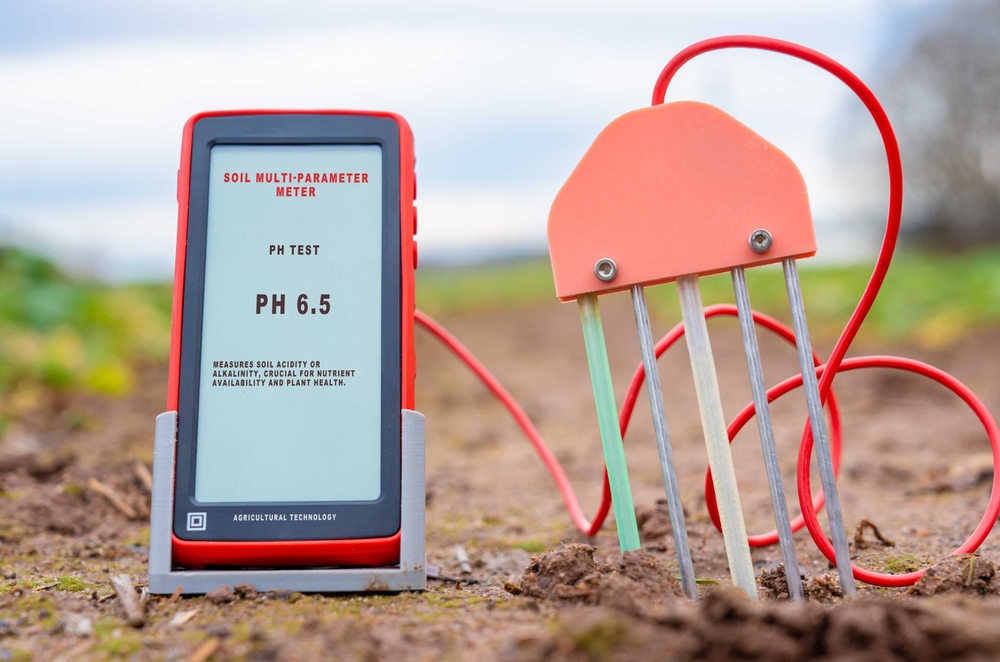
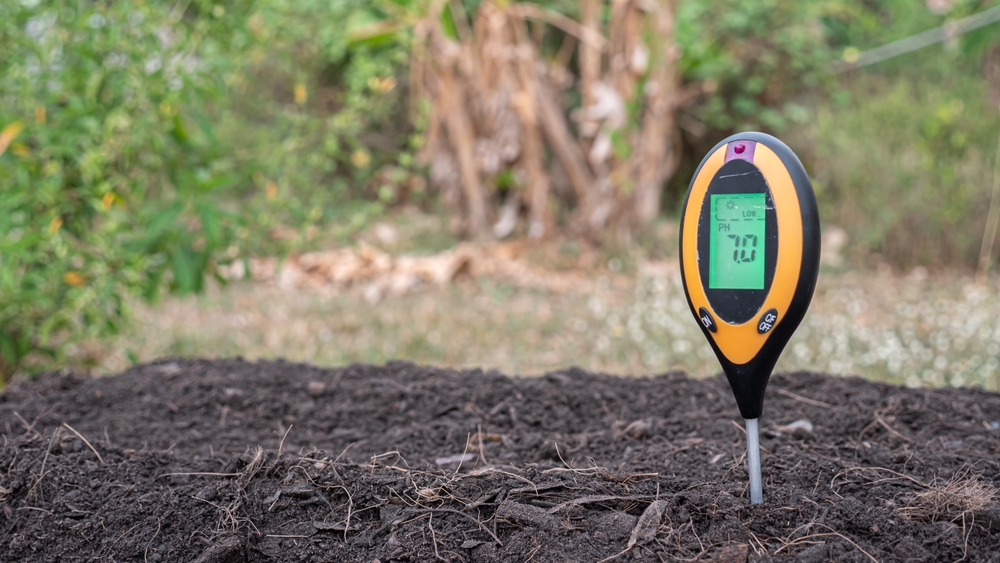
These run cheaply at any garden center and give a rough number within minutes. Just grab a soil sample a few inches below the surface, mix it with distilled water, and dip the strip or probe. The result won’t be lab-perfect, but it points homeowners in the right direction for basic yard care choices.
Vinegar and baking soda test
This one’s a bit of a kitchen experiment, but it works in a pinch. If the soil fizzes with vinegar, it leans alkaline. If it fizzes with baking soda mixed in water, it leans acidic. No reaction at all? Then the soil sits close to neutral, which is right where most plants want it.
Professional lab testing
This is where ArborWorks shines. A pro-grade sample sent to a certified lab gives exact pH readings plus a full nutrient breakdown. That kind of data takes the guesswork out of fertilizing, planting, and amending the dirt for long-term results.
Knowing how to test the ph level in soil matters, but knowing what to do with the results matters even more. That’s the part most property owners get stuck on, and that’s where a trained arborist pays for the visit ten times over.
Why pH Testing in Soil Changes Everything About Plant Health
Here’s the part that surprises a lot of property owners: soil pH controls whether plants can actually use the nutrients sitting right next to their roots. You can dump bag after bag of fertilizer on a yard with the wrong pH, and the trees still won’t perk up. The nutrients get locked away in forms the roots can’t absorb.
Take iron, for example. In alkaline soil, iron becomes nearly impossible for plants to grab, which leads to yellowing leaves and weak growth. Drop the pH a bit, and suddenly that iron becomes available again. Same goes for phosphorus, magnesium, and a handful of other key nutrients trees rely on day in and day out.
On top of that, soil pH affects the tiny microbes living underground. These critters break down organic matter and feed the roots. When the pH swings too far in either direction, the helpful microbes die off and harmful ones move in. That shift opens the door to root rot, fungal issues, and pest pressure, all problems that often get blamed on weather or watering when the real culprit sits right in the dirt itself.
Signs Your Yard Needs a pH Test in Soil Right Now
A few red flags should send any homeowner reaching for the phone:
Yellowing or pale leaves with green veins
This pattern, called chlorosis, usually points to a nutrient lockout caused by off-balance pH. New leaves often show the problem first, and ignoring it can stunt a tree’s growth for years to come.
Patchy, thin lawn despite regular care
When grass struggles in spots that get plenty of sun and water, soil chemistry is often the hidden reason. A quick ph test in soil can confirm whether lime or sulfur amendments would help bring things back into balance.
Stunted shrubs or trees that won’t fill in
Plants that sit at the same size year after year are usually fighting the soil, not the climate. Correcting pH lets them finally use the food sitting around them and put on real growth.
Moss taking over the lawn
Moss loves acidic, compacted soil. Its arrival is nature’s way of saying the pH has drifted south of where turfgrass wants to be, and a soil test confirms the fix.
Sick or dying trees with no obvious pest
Before assuming the worst, a tree health inspection paired with soil analysis often turns up the real cause hiding underground.
How ArborWorks Uses pH Testing in Soil to Build Better Yards
Every property is different, and cookie-cutter advice rarely works in Louisiana yards where clay, sand, and organic content vary block by block. ArborWorks pairs pH testing in soil with on-site inspections to build a plan that fits each customer’s specific dirt. From there, the team can recommend the right amendments, the right plants, and the right long-term care plan to keep things thriving year after year.
ArborWorks handles the bigger-picture services that go hand in hand with soil health, too. Tree trimming keeps canopies balanced so roots aren’t fighting to support dead weight. Tree removal clears out trees that have suffered too long in the wrong soil conditions. And storm prep and risk mitigation services keep healthy trees standing strong when Gulf weather rolls through. Check out the full list of areas we serve for coverage near you.
Contact ArborWorks for Tree Care Services in Louisiana
Soil chemistry might sound boring, yet it sits at the root of nearly every yard problem out there. When trees thrive, lawns green up, and gardens fill in the way they should, it’s almost always thanks to good soil — and good soil starts with pH testing in soil. ArborWorks brings ISA-certified know-how, pro-grade equipment, and honest service to every job, big or small.
Pick up the phone and call (985) 951-0128 today, or head over to the Contact Page to set up a visit. Your yard will thank you, and so will every tree out there waiting for its roots to finally get what they need.
FAQs About pH Testing in Soil
How often should soil pH be tested?
Once every two to three years works for most yards. After heavy fertilizer use, new construction, or major plantings, though, sooner is smarter.
Can pH be changed quickly?
Not really. Lime raises pH and sulfur lowers it, but both take weeks to months to fully work. Patience pays off here.
Does rainwater affect soil pH?
Yes, and especially in Louisiana. Heavy rainfall slowly washes away alkaline minerals and pushes soil toward the acidic side over time.
Is one pH reading right for the whole yard?
Nope. Different zones often have different readings, particularly near driveways, foundations, or old fill dirt. Multiple samples paint the clearest picture.
Can a homeowner fix pH issues without a pro?
Small tweaks, sure. Big swings or tree-related problems call for a trained arborist who knows the local soil and species inside and out.