


Property owners often ask, “How much does it cost to trim a tree?” That’s a fair question, yet the honest answer depends on more than one detail. A small ornamental tree in an open yard will not cost the same as a tall oak hanging over a roof, fence, or power line. So, before giving a number, ArborWorks looks at the whole job and what it takes to do the work safely.
At ArborWorks, every estimate is based on real site conditions, tree health, risk level, and the amount of labor needed to finish the job the right way. That matters, since poor cuts can injure a tree and create future hazards.
That’s why the best way to think about tree trimming cost is not as a flat rate, but as a price shaped by safety, skill, equipment, and the tree itself. Below are seven of the biggest things that affect the final cost.
1. Tree Size
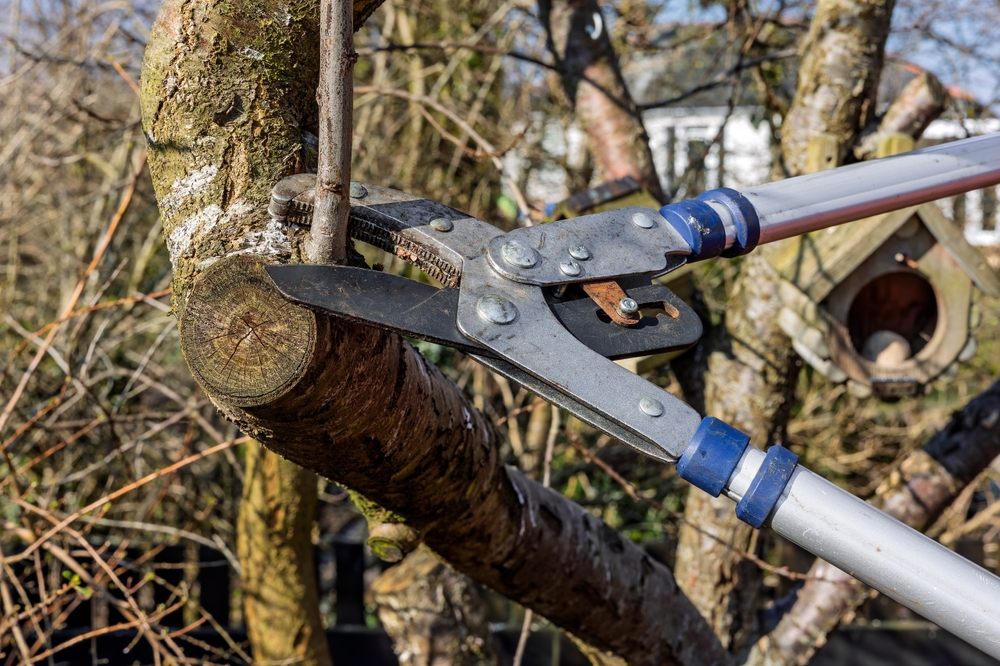
One of the biggest drivers of tree trimming cost is tree size. A smaller tree usually takes less time, fewer crew members, and lighter equipment. A large mature tree, by contrast, often needs climbing gear, rigging, and a bigger cleanup plan.
Height is only part of it. Canopy spread matters too. A broad tree with long limbs may take much longer to shape and thin out than a narrow tree of the same height. That means the tree trimming service cost usually goes up as the tree gets taller, wider, and more demanding to work on.
For example, trimming a small front-yard crepe myrtle may be a quick visit. Trimming a large oak with heavy limbs over a driveway can turn into a more involved project. So, when someone asks how much it cost to trim a tree, the first thing ArborWorks checks is size.
2. Tree Species
Not every tree grows the same way, and that affects pricing. Some species respond well to pruning and have easier branch structure. Others grow dense, heavy, or awkward limbs that take more planning and time to cut safely.
Live oaks, pines, magnolias, and other common Louisiana trees each come with their own habits and care needs. Some trees need selective cuts to keep strong structure. Some need deadwood removal. Some need crown cleaning to lower storm risk without over-pruning. In each case, the work plan changes, so the tree trimming cost changes too.
This is one reason ArborWorks treats tree trimming as skilled tree care, not just branch cutting. A tree that is pruned the wrong way can suffer stress, decay, weak regrowth, or balance issues. If the goal is long-term health, proper species-based pruning matters a lot.
3. Risk and Hazard Level
Risk is a major part of pricing. A healthy tree in an open lawn is one thing. A damaged tree leaning over a home is something else entirely. When a tree has dead limbs, storm damage, decay, split stems, or poor structure, the work becomes more technical.
That risk affects how the crew sets up the job, how limbs come down, and what safety gear is needed. It can call for special rigging, controlled lowering, and slower, more careful cuts. That extra time and planning will raise the tree trimming cost, yet it protects the home, the people on site, and the tree when it can be saved.
At times, trimming is only part of the answer. If a tree is too far gone, tree removal may be the safer option. If the tree may still be saved, a tree health inspection can help determine the right next step.
4. Access to the Tree
Access plays a bigger role than many property owners expect. A tree in the front yard with easy truck access is faster to service than a tree boxed in by fences, sheds, pools, landscaping, or narrow gates.
If the crew has to carry brush and equipment across a long backyard, the labor goes up. If a bucket truck cannot reach the tree, climbing may be the only option. If the site has fragile lawn features, hardscape, or limited drop zones, the work has to move at a more careful pace. All of that affects tree trimming cost.
This is why two trees that look similar on paper may have very different prices in person. One is easy to reach. The other sits behind obstacles and needs a slower setup. Access can make a big difference in how much does it cost to trim a tree.
5. Type of Pruning Needed
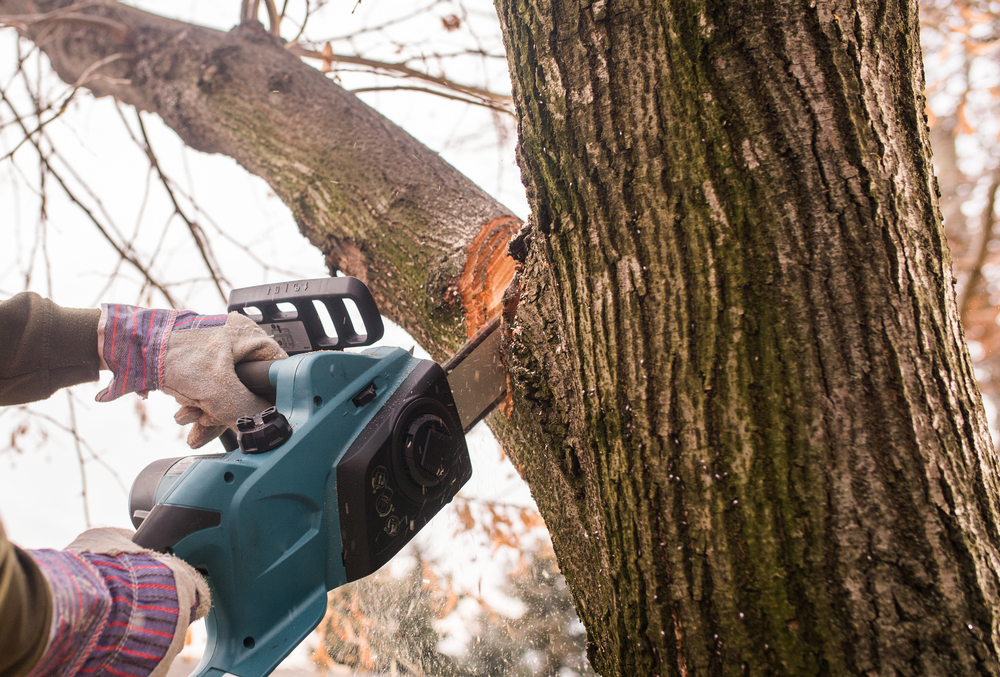
There is a big difference between light maintenance pruning and corrective pruning. A simple trim may involve removing small dead limbs and cleaning the canopy. A more involved service may include structural pruning, weight reduction, clearance pruning, storm preparation cuts, or shaping for better growth.
Each pruning goal takes a different level of time and skill. A quick cleanup costs less than a job that needs detailed cuts across the entire canopy. So, tree trimming cost depends on what the tree needs, not just what the owner wants cut.
ArborWorks often recommends the least aggressive option that still solves the problem. That helps protect the tree and avoid future damage. The USDA Forest Service pruning guide explains that proper pruning cuts should protect the branch collar and avoid harmful cuts that can lead to decay or weak regrowth. For property owners dealing with storm season concerns, storm prep and risk mitigation may be the smarter service than waiting for damage to happen.
6. Cleanup and Debris Removal
Cleanup is a real part of the job, and it should never be treated as an afterthought. Once limbs come down, the site still has to be cleared, chipped, hauled, and left in good shape. Larger jobs can create a surprising amount of brush and wood, which adds labor and disposal time.
Some jobs only need minor limb removal and a light rake-up. Other jobs leave behind truckloads of debris. In those cases, the tree trimming service cost includes the time needed to process that material and remove it from the property.
A full-service trimming company should leave the site clean and safe. That’s part of the value of hiring trained arborists instead of going with the cheapest number. A low quote may leave cleanup out, cut corners on disposal, or skip the proper finish work that most property owners expect.
7. Timing and Urgency
Timing matters in tree trimming. Routine maintenance is usually easier to schedule and plan. Emergency work after a storm is different. When a tree needs urgent attention because of broken limbs, blocked access, or hanging hazards, the job may require faster dispatch and a more complex setup.
Seasonal demand can affect availability too. Storm season often creates a rush for pruning and hazard reduction. Property owners who schedule earlier may have more flexibility and time to make the best plan for their trees.
That’s one more reason ArborWorks encourages regular care. Waiting until a tree becomes a threat can raise the tree trimming cost and narrow the options. A scheduled visit for tree trimming can often lower future risk and keep the tree in better shape year after year.
What ArborWorks Looks At Before Giving a Tree Trimming Cost Estimate
Before pricing a job, ArborWorks reviews several details on site:
- Tree size and canopy spread: A taller tree with a broad crown takes more labor, more time, and a bigger cleanup effort. That alone can shift the final number quite a bit.
- Tree condition and branch structure: Dead limbs, decay pockets, cracked unions, and storm damage raise the risk level. A riskier tree takes more planning and a more controlled approach.
- Clearance issues near structures: Limbs over roofs, driveways, fences, sidewalks, and power areas call for careful rigging and placement. That slows the work in a good way, since safety comes first.
- Site access and equipment needs: Easy access can lower labor time. Tight access, limited drop zones, or no truck reach can increase labor and setup demands.
- The pruning goal: Basic maintenance, hazard reduction, structural pruning, and storm prep are not the same service. The scope of work shapes the price.
Request a Tree Trimming Quote from ArborWorks Today!
If you’ve been asking how much does it cost to trim a tree, the best answer starts with the tree itself. Size, species, risk, access, pruning goals, cleanup, and timing all shape the final price. A good estimate should reflect the real work involved, not a one-size-fits-all number.
At ArborWorks, every trimming job is planned with tree health, safety, and long-term property value in mind. If your tree needs pruning, hazard reduction, or a professional opinion, call (985) 951-0128 or visit the ArborWorks Contact Page to schedule an estimate. You can also explore the areas ArborWorks serves to see if your community is included. ArborWorks is ready to help you make a smart choice for your trees before a small issue turns into a costly problem.
FAQs About Tree Trimming Cost
How much does it cost to trim a tree?
The answer depends on size, species, risk, access, pruning type, cleanup, and timing. A small tree in an open yard may cost far less than a tall tree near a structure. That is why ArborWorks recommends an on-site estimate instead of a guess over the phone.
Why is tree trimming cost different from one company to another?
Prices can vary based on crew training, insurance, equipment, safety standards, and the level of cleanup included. A lower bid may leave out proper pruning practices or debris hauling. ArborWorks prices jobs based on safe, correct work that protects the property and the tree.
Does trimming a tree cost less than removing it?
In many cases, yes. Trimming usually costs less than full removal. Still, if the tree is dead, unstable, or beyond recovery, removal may be the safer and smarter option.
Can regular pruning lower future tree trimming cost?
Yes. Regular care can keep a tree from getting overgrown, lower storm risk, and reduce the need for larger corrective cuts later. Smaller maintenance visits are often easier on both the tree and the budget.
Is emergency trimming more expensive?
It can be. Urgent storm-related work often needs faster scheduling, extra safety steps, and more difficult rigging. That can raise the price compared with routine planned service.