


If a homeowner has ever looked at a large oak after a storm and thought, “Is that tree still safe?”, that question leads straight to what is an arborist.
An arborist is a tree care specialist. This kind of professional works with trees the same way a roofer works with roofs or an electrician works with wiring. The job covers tree health, pruning, structure, safety, risk checks, storm prep, and removal when a tree can no longer stay in place. A homeowner may love trees, plant trees, and water trees, yet a mature tree often needs trained care that goes far past basic yard work.
That matters a lot in South Louisiana. Trees grow fast, storms hit hard, roots spread wide, and limbs can hang over roofs, driveways, fences, and power lines. A small issue can turn into a big repair bill if no one spots it early. So, when people ask what is an arborist, the better question may be this: who should a homeowner trust with a tree that can damage a home or put a family at risk?
At ArborWorks, the answer starts with training, careful inspection, and work that fits the tree, the property, and the season.
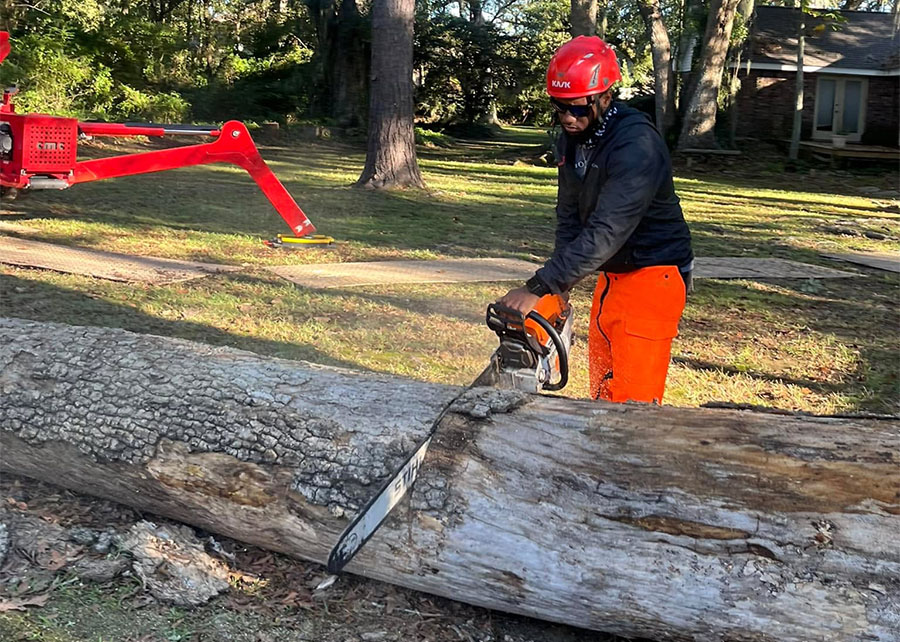
What Is an Arborist Do for a Property?
A lot of homeowners search “what is an arborist do” when a tree starts leaning, dropping limbs, or losing leaves out of season. The wording may sound a little off, yet the question is a good one. In plain terms, an arborist helps a homeowner make smart choices about tree care.
That can include:
Checking tree health.
An arborist looks for decay, weak branch unions, dead limbs, poor growth, root trouble, insect damage, and signs of disease. This step helps a homeowner know if the tree can recover or if it has become unsafe.
Pruning with a purpose
Tree trimming is not just cutting branches. Good pruning improves structure, clears roofs and walkways, reduces storm risk, and helps the tree keep a healthier form. ArborWorks handles Tree Trimming with the goal of helping the tree and protecting the property at the same time.
Recommending removal when needed
Some trees are too damaged, too decayed, or too close to key structures. In those cases, removal may be the safest option. ArborWorks provides Tree Removal when a tree has become a hazard or has reached the end of its service life on the property.
Inspecting for storm risk
A tree may look fine from the ground and still have serious defects. Cracks, hollow areas, root plate movement, and overextended limbs can all raise the chance of failure in heavy wind. ArborWorks offers Storm Prep & Risk Mitigation to lower that risk before bad weather rolls in.
Giving homeowners a clear plan
A good arborist does more than point at a problem. A good arborist explains what is happening, what can wait, what needs action now, and what work will bring the best result.
So, what is an arborist in day-to-day life? It is the person a homeowner calls when a tree needs trained eyes, safe hands, nd a plan that makes sense.
What Is an ISA Certified Arborist and Why Should a Homeowner Care?
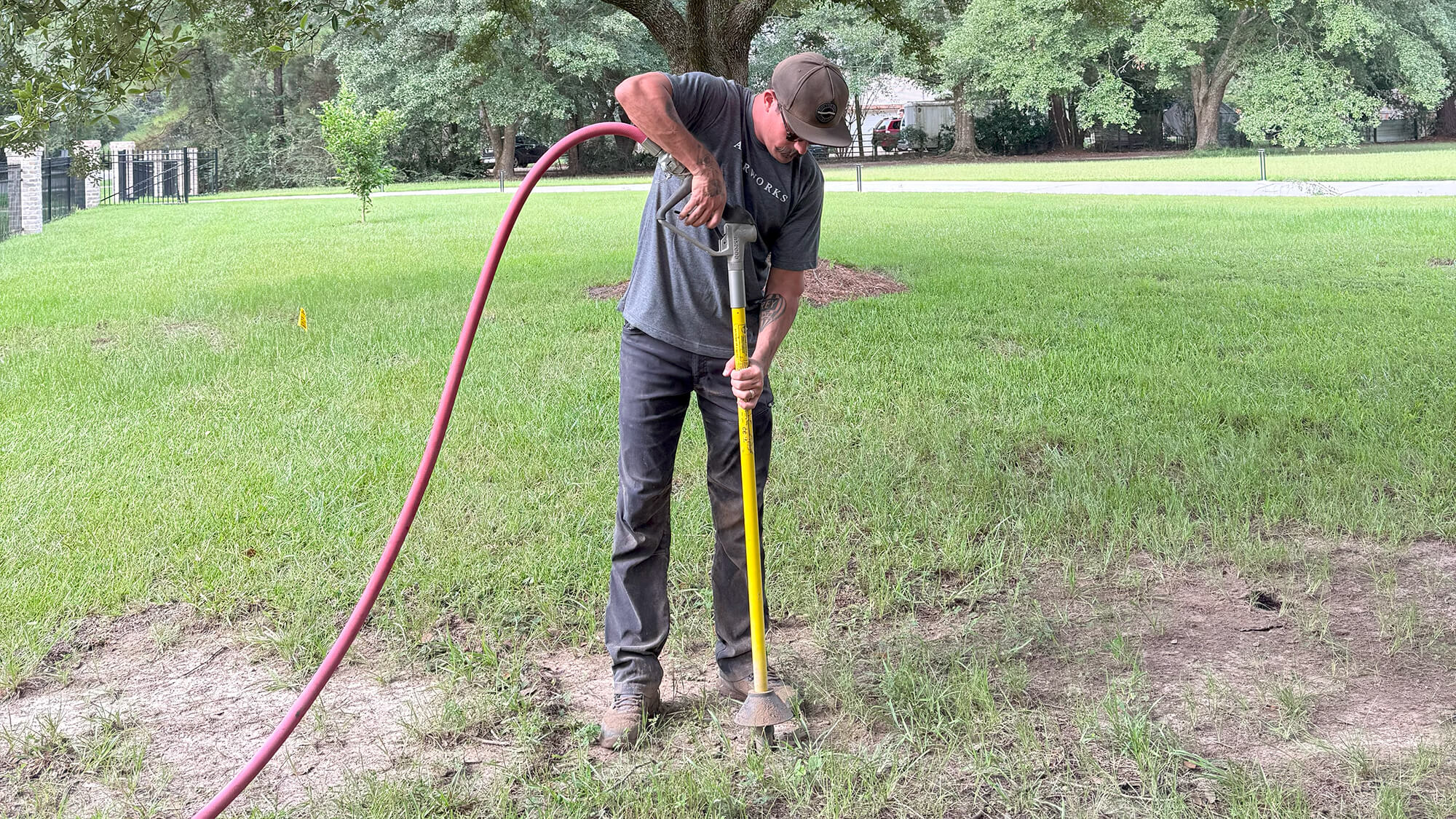
Homeowners often ask, “what is an ISA certified arborist?” That question matters, since not every tree crew has the same level of training.
An ISA Certified Arborist has met eligibility requirements, passed an exam, and keeps up certification through continuing education under the International Society of Arboriculture. University extension sources note that certified arborists are trained in tree biology, pruning, diagnosis, safety, and risk management, which helps homeowners find qualified tree care.
For a homeowner, that means more than a title on a business card. It means the person looking at the tree has studied how trees grow, how defects form, how improper cuts can harm a tree, and how to weigh the risk of failure. It means the advice should come from science-based tree care, not guesswork or fast sales talk.
At ArborWorks, that standard shapes every visit. A proper inspection can show whether a tree needs pruning, monitoring, cabling, treatment, or removal. It can save a healthy tree from bad cuts. It can stop a weak tree from falling at the wrong time. It can spare a homeowner from spending money on work that does not fix the real problem.
That is one big reason certified arborists matter. Tree work is not just about chainsaws and cleanup. It is about judgment.
What Is an Arborist Looking for During a Tree Inspection?
When ArborWorks performs a Tree Health Inspection, the goal is to find issues before a homeowner faces a crisis.
An inspection may look at the trunk, root flare, canopy, branch spacing, deadwood, cavities, fungi, bark loss, soil conditions, and nearby structures. Some signs are easy to miss unless a trained eye knows what to watch for. Extension and university guidance for homeowners points out that certified arborists help spot hazards, decay, poor structure, and other conditions tied to tree failure.
Here are a few common red flags:
Dead or hanging limbs
These often fall with little warning, especially after wind or heavy rain. A limb over a roof, driveway, or play area deserves quick attention.
Leaning that has changed over time
A tree that has always grown at a slight angle may be stable. A tree that has started leaning more after storms or soil movement needs a closer look.
Cracks in major limbs or the trunk
These can weaken the tree’s structure and raise the chance of splitting.
Mushrooms or fungal growth near the base
This can point to decay in the roots or lower trunk.
Bare sections in the canopy
Sudden thinning, poor leaf size, or branch dieback may point to stress, root damage, or disease.
Roots lifting sidewalks or losing soil support
Root problems often affect the whole tree, even if the canopy still looks full.
That is why the question what is an arborist matters so much for homeowners. The right answer can mean the difference between routine maintenance and a tree emergency.
What Is an Arborist Not Supposed to Do?
This part matters just as much. A homeowner should know the warning signs of bad tree work.
A trained arborist should not rush into topping a tree without a sound reason. A trained arborist should not treat every tree like it needs heavy cutting. A trained arborist should not ignore structure, species, soil, and target areas such as houses, fences, cars, and walkways. A trained arborist should not give vague answers that leave a homeowner guessing.
Homeowners should be careful if a tree company:
- Pushes removal right away without a clear explanation
- Recommends severe topping as a standard fix
- Cannot explain why certain cuts are needed
- Avoids talking about risk, structure, or tree health
- Gives advice that sounds more like a sales pitch than a care plan
Good tree work should make sense when explained in simple term. A homeowner should feel informed, not cornered.
What Is an Arborist Best Used for Before Storm Season?
Storm season is a major reason homeowners call ArborWorks. Waiting until a limb is already on the roof is a rough way to learn what is an arborist.
Before storm season, an arborist can:
- Reduce canopy weight in high-risk limbs
- Remove deadwood that may snap in the wind
- Inspect for cracks and decay
- Check trees near homes, driveways, and access points
- flag trees that need removal before a storm turns them into a hazard
This kind of planning is one of the smartest steps a homeowner can take. It protects the home, lowers stress, and gives the property a better shot at coming through severe weather with less damage.
What Is an Arborist Worth to a Homeowner in the Long Run?
A healthy tree adds shade, curb appeal, privacy, and value. A failing tree can do the opposite in one storm. That is why hiring certified arborists is about more than one visit. It is about long-term property care.
Good tree care can help a homeowner:
- Avoid preventable storm damage
- Keep valuable trees in better shape for more years
- Catch disease or decay before the problem spreads
- Improve clearance around roofs, driveways, and structures
- Make smart removal choices when a tree has become unsafe
So, what is an arborist worth? For many homeowners, the value shows up in fewer surprises, safer trees, and more confidence about what is growing on the property.
Contact ArborWorks’ ISA Certified Arborists Today!
At the end of the day, what is an arborist? It is the trained tree specialist a homeowner calls for answers, safe care, and a plan that fits the property. That matters most when a tree is large, aging, storm-damaged, or growing close to the home.
ArborWorks helps homeowners with inspections, trimming, storm prep, and safe removal when needed. If a tree on the property looks off, feels risky, or just has a homeowner unsure what to do next, now is a good time to act. Homeowners can get in touch through the ArborWorks Contact Page, call (985) 951-0128, or learn more about the communities ArborWorks serves on the Areas We Serve.
What Is an Arborist? FAQs
What is an arborist?
An arborist is a trained tree care specialist who works with tree health, pruning, structure, safety, and removal. Arborists help homeowners care for trees in a way that protects both the tree and the property.
What is an ISA certified arborist?
An ISA Certified Arborist is a tree care professional who has met experience requirements, passed an exam, and kept up continuing education through the International Society of Arboriculture.
What does an arborist do that a regular tree crew may not do?
An arborist inspects tree health, checks structure, spots defects, weighs risk, and recommends care based on training in arboriculture. A basic tree crew may offer cutting services, yet may not provide the same level of diagnosis or long-range planning.
When should a homeowner call certified arborists?
A homeowner should call certified arborists after storms, before storm season, when a tree starts leaning, when limbs die back, when fungus appears near the base, or when branches hang over a home, driveway, or power line.
Can an arborist save a damaged tree?
In many cases, yes. A tree may improve with pruning, monitoring, treatment, or risk reduction work. In other cases, removal is the safer choice. An inspection gives the homeowner a clear answer.