


The morning after a heavy storm can feel pretty rough. Branches scatter across the yard, fences lean sideways, and a once-sturdy oak might now rest against the roof. Before anyone steps outside to clean up, there’s a smart way to handle the mess, and a not-so-smart way. Storm damage tree removal takes more than a chainsaw and good intentions. It takes a clear plan, the right gear, and a sharp eye for hidden dangers that often get missed at first glance.
ArborWorks put together this simple checklist to help homeowners walk through post-storm cleanup with less stress. Whether the property took a small hit or a serious beating, this guide breaks down what to check, what to skip, and when to pick up the phone.
Why Storm Damage Tree Removal Should Never Wait
Once a strong wind, hurricane, or ice storm rolls through, the trees left standing aren’t always as safe as they look. Storm damaged trees often have hidden cracks deep in the trunk, snapped roots below the soil, or branches dangling out of sight up in the canopy. These problems can stay quiet for days, then come crashing down without warning during the next gust of wind.
That’s why fast action matters. Putting off storm damage tree removal lets small problems grow into bigger ones. A leaning tree can shift further with each rain. A cracked limb can dry out, get heavier, and fall on a car or a kid playing in the yard. Quick cleanup keeps the property safer and saves money on bigger repairs down the road.
Storm Damage Tree Removal Checklist: Step-by-Step Safety Guide
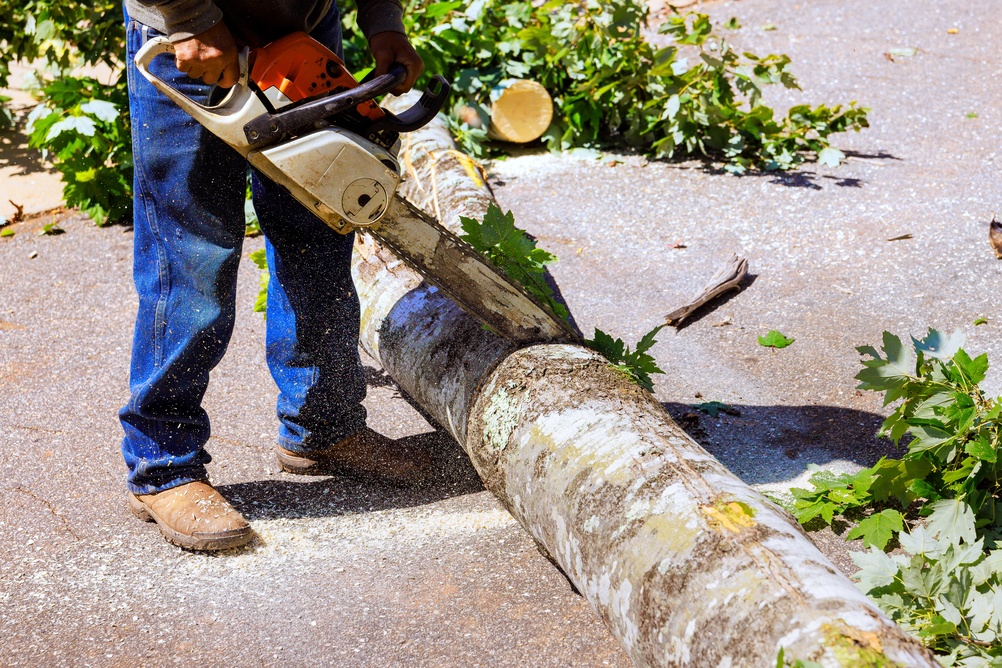
Here’s a clear checklist anyone can follow once the storm passes and the sky starts to clear up:
Stay clear of downed power lines and broken branches near wires.
Treat any tree touching a power line as live, even if the lights are out. Call the local power company first and keep family members and pets a safe distance away. Never try to move a branch off a wire, even with a wooden tool, since electricity can travel through wet wood and cause serious harm in a split second.
Walk the property from a safe spot and look up.
Before stepping under any tree, scan the canopy for hanging limbs, called “widow-makers” in the tree care trade. These broken pieces often hang by a thread of bark and can drop without sound. Spotting them from a distance helps everyone avoid a bad injury during the cleanup window.
Take clear photos of every damaged tree on the lot.
Good pictures help with insurance claims and give the arborist a head start when planning the work. Snap shots from a few angles, including wide views and close-ups of cracks, splits, or lifted roots. Keep these saved in a folder along with the date and time of each photo.
Check the soil around the base of each tree.
Lifted soil, exposed roots, or a tree that’s now leaning more than before are all warning signs of root failure. A tree with a damaged root system might look fine standing up, but it can topple over in the next light breeze. These cases call for fast storm damage tree removal by a trained pro.
Skip the chainsaw for anything overhead.
Cutting branches above shoulder height is one of the most dangerous chores around the home. Stored tension in bent limbs can snap them back the moment the saw bites in. Leave the climbing, roping, and overhead cuts to ArborWorks, since the team has the right gear and training for that kind of work.
Mark hazardous trees with a bright ribbon or flag.
A simple piece of caution tape around a damaged trunk reminds family, neighbors, and contractors to keep their distance. This small step prevents accidents during the wait for the arborist’s arrival, and it also makes the job site easier to spot for the crew.
Common Hazards Found in Storm Damaged Tree Removal Work
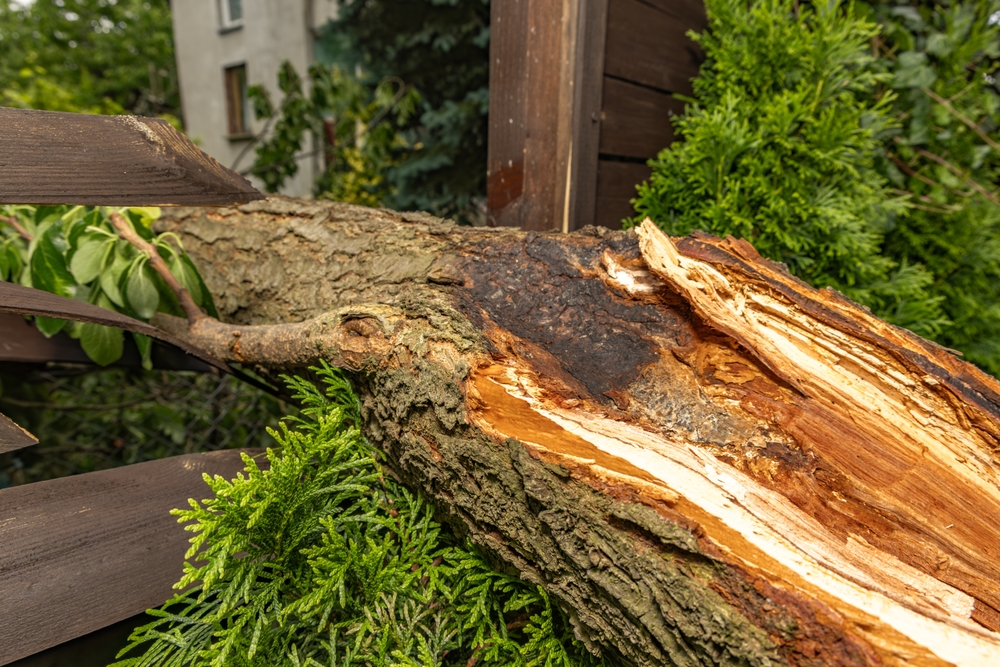
Plenty of trouble spots show up after a big weather event, and some are far sneakier than others. A trained arborist will check for:
Split trunks and major bark wounds.
When a trunk splits down the middle, the tree usually can’t recover. The wound opens the door for rot, bugs, and disease, and the structure stays weak from that point forward. Quick removal beats waiting around for the next storm to finish the job.
Hanging or broken branches stuck high in the canopy.
Sometimes a limb snaps but gets caught by other branches on the way down. These hangers stay up there until wind, rain, or even a passing squirrel knocks them loose. Pros use ropes and bucket trucks to bring them down in a controlled drop.
Root plate lifting and soil heaving.
A healthy root system holds the tree firmly in the ground. After heavy rain and wind, the root ball can tilt or pop up out of the soil, leaving the tree at a slant. This kind of damage almost always calls for full removal, since the tree won’t ever stand straight or strong again.
Cracks in the main forks of large branches.
Big branches that fork off the trunk often hide cracks deep in the union point. After a storm, these spots can pull apart slowly over weeks. Spotting them early helps the crew plan a safe takedown before the limb fails on its own and takes part of the canopy with it.
When DIY Stops Being Smart and Tree Removal After Storm Damage Calls for a Pro
Lots of folks want to grab a saw and get to work, since cleanup feels urgent. For light yard debris like small twigs and leaves, that’s just fine. Once trees are leaning, cracked, or tangled in lines, though, the job calls for a licensed crew with the right setup.
Tree removal after storm damage often means working with unstable wood under tension, heavy limbs at strange angles, and tight spaces near homes or cars. ArborWorks brings ISA-certified arborists, full insurance, modern climbing gear, bucket trucks, and crane support when the job calls for it. That mix of skill and equipment keeps the cleanup safe for the crew, the family, and the property itself. That’s why ArborWorks treats storm damage tree removal as a top priority every season.
According to the U.S. Occupational Safety and Health Administration, tree care ranks among the most dangerous trades in the country, with hazards from chainsaws, falls, and falling objects topping the list. Hiring trained pros isn’t a luxury during cleanup; it’s a smart safety move that protects everyone on the property.
How ArborWorks Handles Storm Damage Tree Removal From Start to Finish
Every cleanup with ArborWorks starts with a careful look at the property. The team checks each storm damaged tree, points out the risks, and gives the homeowner a clear plan with honest pricing up front. From there, the crew gets to work with a focus on safety, speed, and respect for the yard.
Services include:
- Full tree removal for trees beyond saving, with stump grinding available as a follow-up to give the yard a clean finish. The crew hauls away all debris and leaves the area tidy before heading out.
- Careful tree trimming to take down damaged limbs and keep the healthy parts of the canopy growing strong. Smart pruning right after a storm can save a tree that might otherwise need full removal later on.
- A detailed tree health inspection for trees that look okay but might have hidden problems under the bark or in the roots. Catching trouble early often saves the tree and the wallet.
- Storm prep and risk mitigation to get the rest of the yard ready before the next big system rolls through. Smart prep work today can prevent a much bigger mess after the next hurricane warning.
ArborWorks proudly serves homes and businesses across the Gulf Coast region. Check out the full list of areas we serve to see if the team covers your neighborhood.
Contact ArborWorks for Storm Damaged Tree Removal Services Today
When a storm leaves the yard in rough shape, it pays to bring in a crew that knows trees inside and out. ArborWorks has the people, gear, and know-how to clear the mess safely and get the property back to looking like home again. The team treats every job with care, from a single broken branch to a full takedown after a hurricane blows through.
Call ArborWorks today at (985) 951-0128 or head over to the contact page to schedule a free property check. The sooner the call goes out, the sooner the yard starts feeling safe again.
FAQs About Storm Damage Tree Removal
How fast should storm damaged trees be removed after a hurricane or big windstorm?
Sooner is better. A tree that’s leaning, split, or partly uprooted can fail again at any moment. Calling within the first day or two helps prevent further damage to the home and keeps the family safer during the cleanup window.
Will homeowners insurance cover the cost of storm damage tree removal?
In a lot of cases, yes, especially when a tree falls on a covered structure like the house, garage, or fence. Coverage varies by policy, so it pays to call the insurance company right after taking photos of the damage. ArborWorks can send written estimates and reports that help the claim move along smoothly.
Can a leaning tree be saved, or does it always need to come down?
It depends on how much the tree shifted and whether the roots stayed mostly in the ground. A small lean might respond to cabling and bracing, but a major tilt with lifted roots almost always points to full removal. An ISA-certified arborist can tell the difference during a quick visit to the property.
What’s the difference between trimming and full storm damaged tree removal?
Trimming takes off broken or weak limbs and keeps the rest of the tree intact. Removal takes the whole tree down, usually because the trunk, roots, or main forks are too damaged to save. The right choice depends on how much of the tree stays healthy after the storm.
Does ArborWorks handle emergency calls at night or on weekends?
Yes. Big storms don’t keep business hours, and the team gets that. Reach out by phone or through the contact form any time, day or night, for storm-related work that just can’t wait until Monday morning.