


Every homeowner wants a yard that looks sharp without giving up every weekend to pulling weeds by hand. Mulch shows up in almost every conversation about easy, good-looking landscaping, and for good reason. Still, one fair question pops up again and again from clients all over the area: does mulch prevent weeds, or is it just a nice-looking blanket for the soil? The short answer is yes, mulch does a great job of keeping weeds down, and there are a few honest catches worth knowing about before that first bag gets opened.
This guide breaks it all down in detail, the same way an ISA-certified arborist would chat with a client standing right there in the front yard. By the end, the picture will be clear: how mulch works, what kind holds up best, and where the team at ArborWorks fits into keeping a property low-maintenance and healthy for years to come.
So, Does Mulch Prevent Weeds Around Your Yard?
Let’s get right to it. Does mulch prevent weeds? Yes, and the science behind it is pretty simple. Weeds need three things to grow: sunlight, warm soil, and open space to sprout. A good layer of mulch takes all three away. When mulch covers bare dirt, sunlight can’t reach the weed seeds sitting near the surface, and most of those seeds stay dormant without that light.
That said, no mulch is magic. A thin, patchy layer will let stubborn weeds poke right through, and seeds blown in by the wind can still land on top of the mulch and take root. So the real answer is that mulch stops the large majority of weeds when it’s installed correctly and refreshed on schedule. The crew at ArborWorks sees the difference firsthand on properties across the region, and proper installation is what separates a weed-free bed from a frustrating one.
How Does Mulch Prevent Weeds From Sprouting in the First Place?
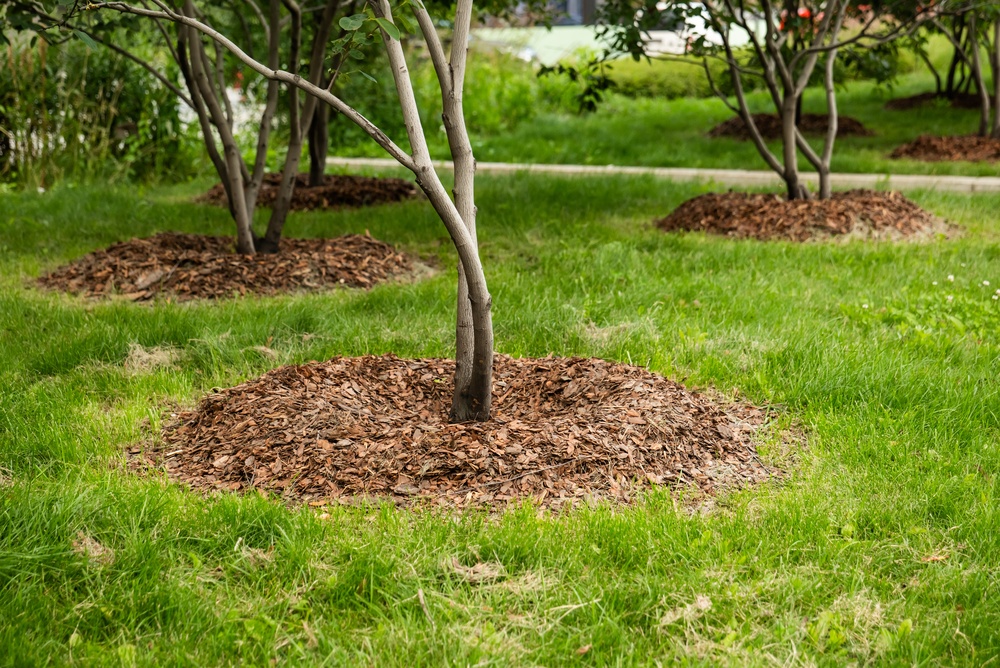
Plenty of homeowners ask how does mulch prevent weeds on a day-to-day basis, and the answer comes down to four jobs mulch quietly handles all at once. Each one matters, and together they form a strong defense against unwanted growth.
Mulch blocks sunlight from reaching weed seeds
Most weed seeds wait just below the soil surface for a flash of light to trigger growth. A solid two-to-three-inch layer of mulch keeps that area dark, so the seeds stay asleep instead of sprouting. This single benefit cuts down a huge chunk of the weeding work a homeowner would otherwise face every spring.
Mulch keeps soil temperatures steady
Bare dirt heats up fast and cools off just as quickly, and many weed species love those swings. Mulch acts like a cozy blanket that holds the temperature even, which throws off the conditions that weeds depend on. Steady soil also keeps tree and shrub roots happier, so the plants you actually want get a boost.
Mulch creates a physical barrier
Even when a tough weed manages to germinate underneath, it has to fight its way up through inches of dense material before it ever sees daylight. Many weeds simply run out of energy and die in the dark. The ones that do break through come up weak and pull out with almost no effort.
Mulch holds moisture for the good plants
When desirable plants stay well-watered and strong, they crowd out weeds naturally by hogging the space and nutrients. Healthy beds resist invaders far better than thin, dry, struggling ones. So mulch helps your landscape win the turf war on its own.
What’s the Best Mulch for Weed Control?
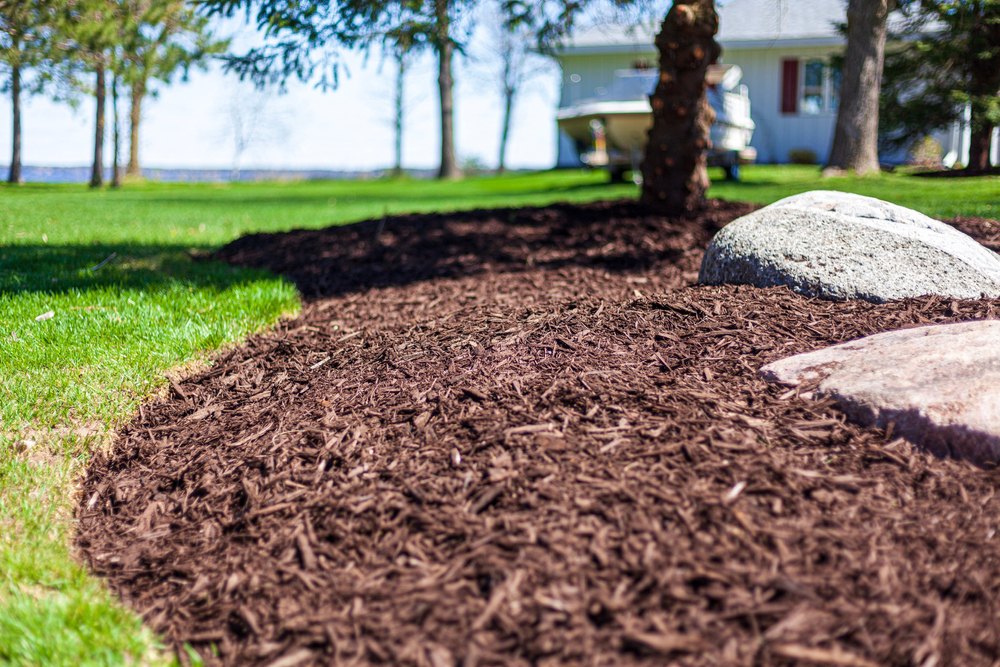
Not every product on the store shelf pulls the same weight, and choosing the best mulch for weed control makes a real difference in how clean a bed stays. Here’s how the common options stack up, in simple terms.
- Shredded hardwood mulch ranks as a favorite for a reason. It knits together into a thick mat that’s tough for weeds to push through, and it breaks down slowly, so it feeds the soil over time. This is the go-to choice for tree rings and large beds where a tidy, long-lasting look matters most.
- Bark nuggets look great and last a long while, though larger chunks leave small gaps where the occasional weed slips through. Nuggets work well for slopes and spots that don’t get heavy foot traffic, and they hold their color a bit longer than finer mulches.
- Pine straw drains nicely and suits acid-loving plants, but it tends to thin out fast and needs topping off more often to keep weeds at bay. Many homeowners in the South like the natural look, and it does fine as long as the layer stays deep enough.
- Wood chips from arborist work offer a budget-friendly, eco-smart option. Fresh chips from tree care jobs make a chunky, weed-suppressing layer that’s perfect for natural areas and around mature trees. ArborWorks often puts material like this to good use through professional surface mulch installation.
One more tip: skip dyed mulches in vegetable gardens, and steer clear of anything mixed with weed seeds or construction debris. Quality material matters, and so does the depth. Two to three inches hits the sweet spot. Pile it on much thicker and the roots can suffocate, but go thinner and the weeds win.
Does Mulch Help Prevent Weeds Forever, or Does It Need Upkeep?
Here’s the part folks sometimes miss. The question of whether mulch helps prevent weeds long-term has a catch: mulch breaks down. Over a season or two, that protective layer thins out, decomposes into the soil, and loses its grip on the weeds. As the layer shrinks below an inch or so, sunlight starts sneaking back in, and the weeds notice right away.
So mulch works best as part of a routine, not a one-and-done fix. A fresh top-up of an inch or two each year keeps the barrier strong and the beds looking sharp. The team at ArborWorks builds this kind of upkeep into a property’s overall care plan, which keeps weeds from gaining a foothold and saves homeowners hours of backbreaking work down the road.
Mulching Mistakes That Stop Mulch From Preventing Weeds
Even great mulch fails when it goes wrong. These slip-ups are the usual reasons a homeowner calls and asks why the weeds came back so fast. Dodge these, and the results improve in a hurry.
Spreading the layer too thin.
A sprinkle of mulch looks fine on day one, but anything under two inches leaves enough light and space for weeds to thrive. The fix is simple: aim for a full two-to-three-inch layer and keep it there.
Skipping the bed prep.
Dumping mulch on top of existing weeds just feeds them and hides the problem. Pulling or clearing the bed first, then mulching over clean ground, makes the barrier far more effective and keeps the new layer honest.
Piling mulch against trunks.
That volcano-shaped mound around a tree base traps moisture against the bark, invites rot and pests, and does nothing extra for weeds. A flat, donut-shaped ring with breathing room around the trunk is the healthier move, and it’s something every ArborWorks crew member handles by habit.
Ignoring the edges.
Weeds love to creep in from the lawn and the borders of a bed. Crisp, defined edges and a clean transition keep grass and invaders from marching into the mulched area where they don’t belong.
Why Professional Mulch Installation Beats DIY for Weed Control
A homeowner can absolutely spread mulch on a Saturday, and plenty do. The difference an ISA-certified arborist brings is the bigger picture. Mulch is one piece of a healthy yard, and weeds are often a sign of something larger going on under the surface, like compacted soil, poor drainage, or struggling trees that let in too much light.
ArborWorks looks at the whole property, not just the bed in front of the door. A quick tree health inspection can spot trouble early, and smart tree trimming shapes the canopy so the right plants thrive and the weeds stay starved for light. When a tree is too far gone, safe tree removal clears the way for a fresh, healthy bed. And ahead of hurricane season, storm prep and risk mitigation keeps the whole landscape standing strong.
For homeowners who’d rather skip the guesswork, professional surface mulch installation gets the depth, the material, and the edging right the first time. That precision is the real reason mulch keeps weeds down month after month. According to the University of Minnesota Extension, the proper depth and placement of mulch are key factors in suppressing weeds and protecting plant health, which lines up with what the ArborWorks crew sees in the field every single day.
The Bottom Line: Does Mulch Prevent Weeds?
So, does mulch prevent weeds? Yes, and it does it well when the right material goes down at the right depth and gets a little upkeep each year. Mulch blocks the light, steadies the soil, and builds a barrier that keeps the vast majority of weeds out of the picture, and it feeds the plants a homeowner actually wants to grow.
The real secret isn’t just buying mulch. It’s installing it correctly and tying it into a smart plan for the whole yard. That’s exactly what the ArborWorks team brings to every property, from the first bed to the tallest tree.
Ready for a Cleaner, Healthier Yard? Call ArborWorks Today
Stop fighting weeds the hard way. Let the certified pros at ArborWorks handle the mulch, the trees, and everything in between so the yard stays sharp all season long. Call (985) 951-0128 or reach out through the contact page to set up a visit. Curious whether ArborWorks works in your neighborhood? Check out the full list of areas we serve and get a free quote today.
FAQs About Whether Mulch Prevents Weeds
Does mulch prevent weeds completely, or will some still grow?
Mulch stops the large majority of weeds, but a few seeds carried by wind or birds can still land on top and sprout. The good news is that those stragglers come up shallow and pull out with almost no effort. A proper two-to-three-inch layer handles the rest.
How thick should mulch be to stop weeds?
Two to three inches is the sweet spot. Thinner than that lets light reach the weed seeds, and thicker than that can smother the roots of the plants you want to keep. A yearly top-off keeps the layer at the right depth.
What is the best mulch for weed control on a budget?
Wood chips from arborist tree work and shredded hardwood both punch above their weight. Wood chips often cost less and form a chunky, weed-blocking layer, and ArborWorks can put quality material down for you the right way.
Does mulch help prevent weeds without any other lawn care?
Mulch does a lot on its own, yet it works far better as part of a full care plan. Healthy trees, good trimming, and clean bed edges all team up with mulch to keep weeds out for the long haul.
How often does mulch need to be replaced?
Plan on refreshing the top layer once a year. Mulch breaks down naturally into the soil, and a thin annual top-up keeps the weed barrier strong and the beds looking fresh.