


A soil compaction test checks how hard the ground has become around a tree. When soil gets packed too tightly, tree roots have a hard time moving through it. Water may stop soaking in the way it should. Air may stop reaching the root zone. Over time, that can weaken the tree, slow growth, and raise the chance of decline or failure. Extension and government sources note that compacted soil can slow root growth, block air movement, and cut down water infiltration.
At ArborWorks, this topic comes up all the time after construction work, heavy foot traffic, driveway use, storm cleanup, or repeated mowing over the same area. A yard can look fine from the surface and still hide a root-zone problem underneath. That’s why a soil compaction test can answer questions that a quick glance cannot.
For many property owners, the bigger question is simple: what is soil compaction, and why should it matter? The short answer is this: compacted soil squeezes out the open spaces that roots need. Those spaces hold air, water, and room for fine feeder roots to grow. Once those spaces shrink, the tree starts working with less support below ground.
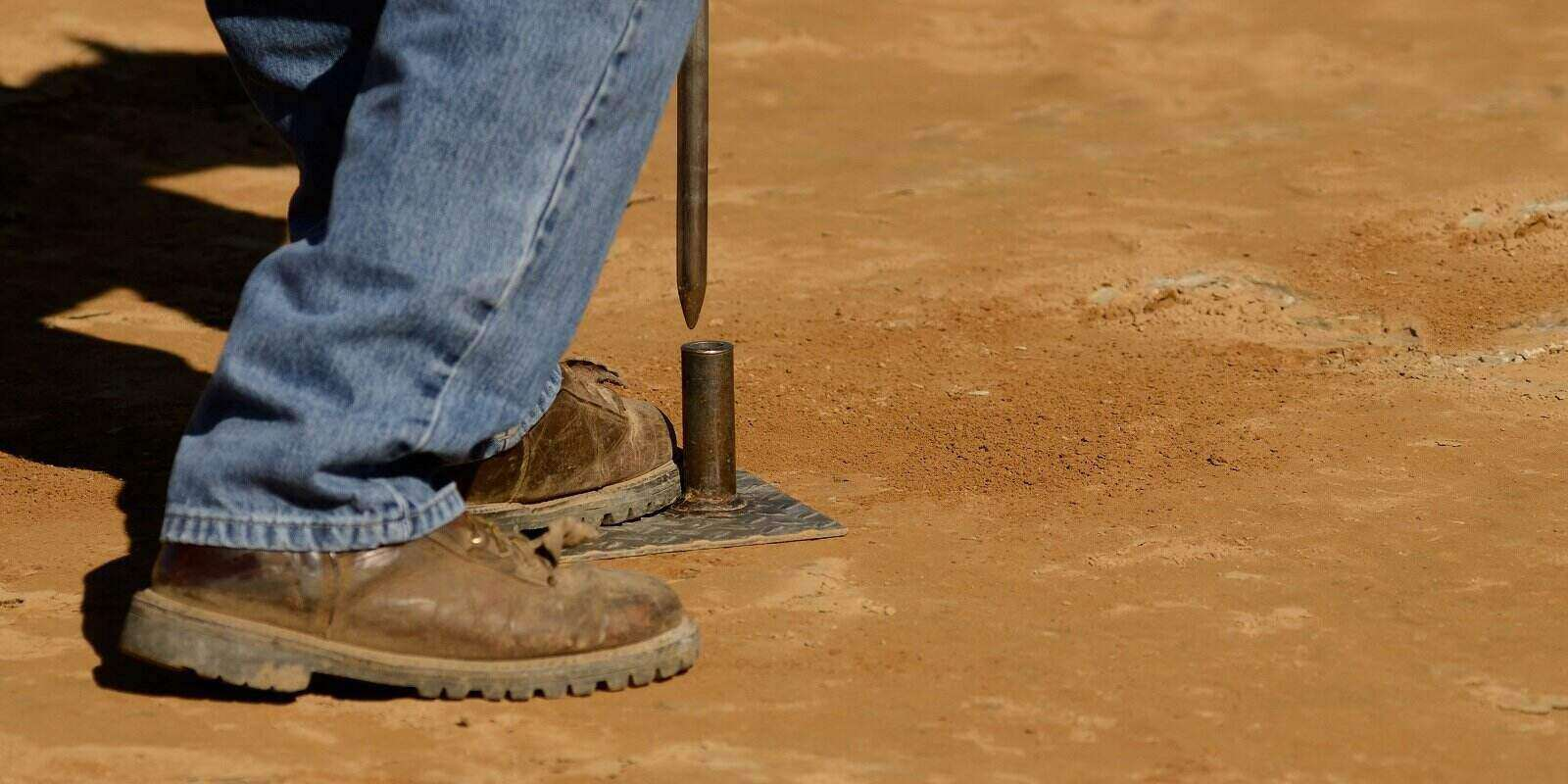
How a Soil Compaction Test Helps Explain What Is Soil Compaction?
A soil compaction test gives ArborWorks a clearer picture of what is happening below the surface. In many cases, an ISA-certified arborist will use a soil probe or penetrometer to measure resistance in the soil. If the probe meets strong resistance at shallow depths, that may point to a compaction issue. Mississippi State Extension notes that a soil penetrometer is a common way to measure the force needed to push a probe into the soil, and higher resistance points to compacted ground.
This matters for one big reason: roots do most of their work underground, out of sight. A canopy may thin out. Leaves may come in smaller than normal. Branch tips may die back. Mushrooms may show near the base. The tree may start leaning more than it used to. Yet the real problem may sit in the soil, not in the trunk or canopy.
That’s why ArborWorks does not guess. A soil compaction test helps connect above-ground symptoms to below-ground conditions. It can help sort out whether the issue is tied to compacted soil, poor drainage, root damage, grade changes, or a mix of several problems.
Why a Soil Compaction Test Matters for Trees in Compacted Soil?
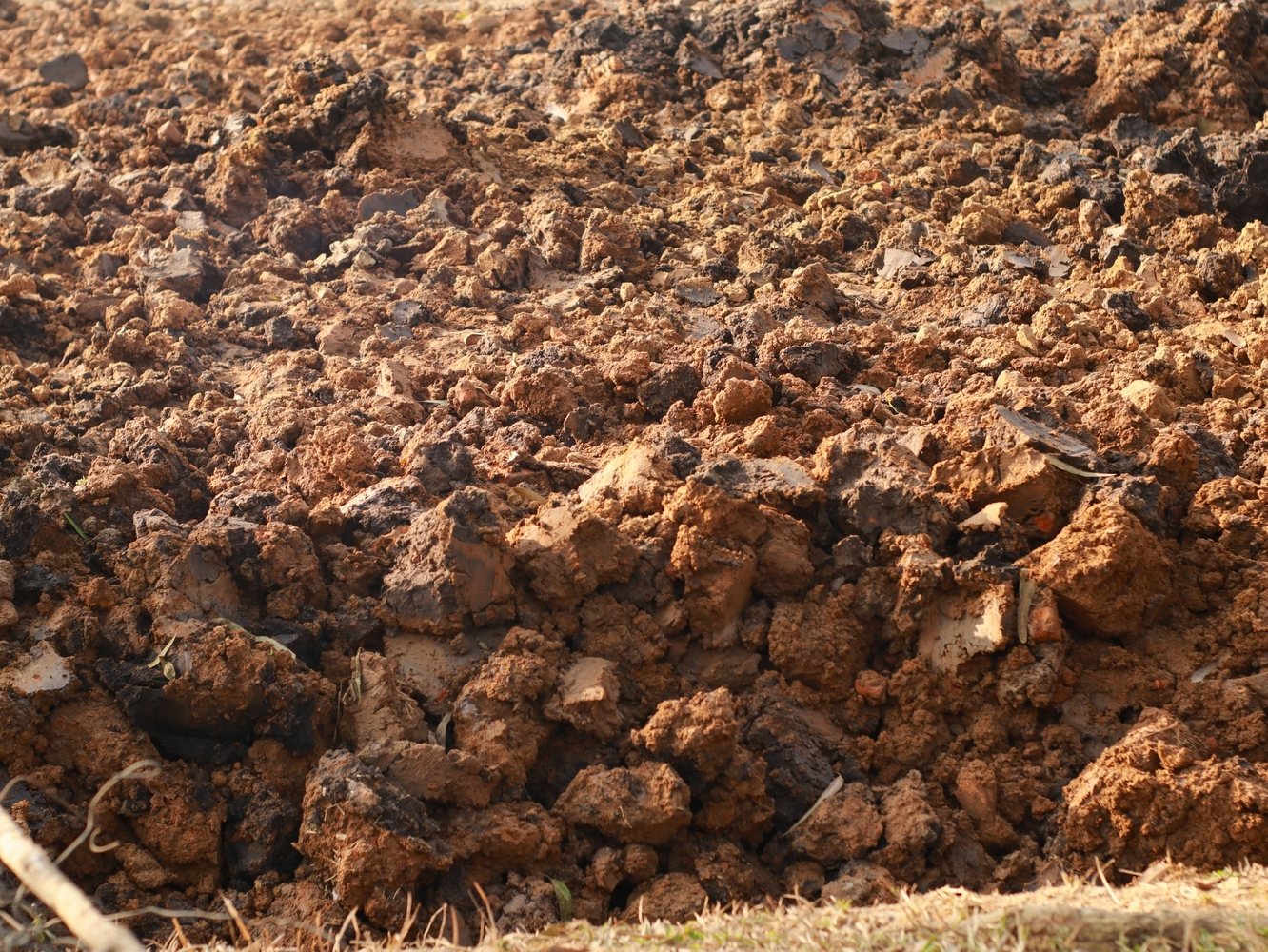
Trees do not grow well in packed, airless ground. Roots need oxygen. Roots need pore space. Roots need moisture that moves into the soil at a steady rate instead of racing off the surface. When the soil gets tight, the tree may survive for a while, yet survival is not the same as good health.
In compacted soil, roots often stay close to the surface. That can make trees less steady during storms. Virginia Tech material on tree failure notes that trees growing in compacted soil often develop shallow root systems, and shallow roots can raise the risk of uprooting.
A soil compaction test matters even more on sites with these conditions:
Recent construction near a tree
New patios, driveways, utility work, grade changes, and equipment traffic can pack soil fast. In many yards, the damage starts long before leaf drop or branch dieback shows up. A test can catch the problem early, which gives the tree a better shot at recovery.
Heavy use in the root zone
Parking on the lawn, foot traffic from gatherings, repeated mower passes, and stacked materials can slowly press the soil tighter and tighter. The yard may still look neat, yet the root area may be struggling under the surface. A soil compaction test helps confirm whether that traffic has turned healthy soil into compacted soil.
Poor drainage after rain
If puddles sit near the base of a tree or the ground feels hard after a shower, the soil may not be taking in water well. USDA soil guidance links compaction with lower infiltration and more runoff. That means the tree may miss out on water even during rainy weather.
Stress after storms or root damage
Storm cleanup often brings trucks, loaders, and debris piles into the yard. That extra weight can press the soil hard right when the tree is already stressed. In that kind of setting, a soil compaction test can give ArborWorks a strong starting point for care and risk planning.
What Does ArborWorks Look for During a Soil Compaction Test?
ArborWorks looks at more than one thing. The goal is to see the whole picture, not just one reading.
A typical visit may include:
- A look at the tree’s crown, trunk flare, and root zone.
- A review of site history, such as trenching, fill dirt, paving, storm damage, or traffic.
- Soil probing or penetrometer readings in several spots.
- A check for drainage problems, grade changes, and visible root issues.
- A full tree health review when the site calls for deeper inspection.
That is one reason many property owners pair a soil compaction test with a Tree Health Inspection. If the tree shows stress, ArborWorks wants to know whether the soil is part of the problem, the whole problem, or just one piece of it.
Can a Soil Compaction Test Show How to Fix Compacted Soil?
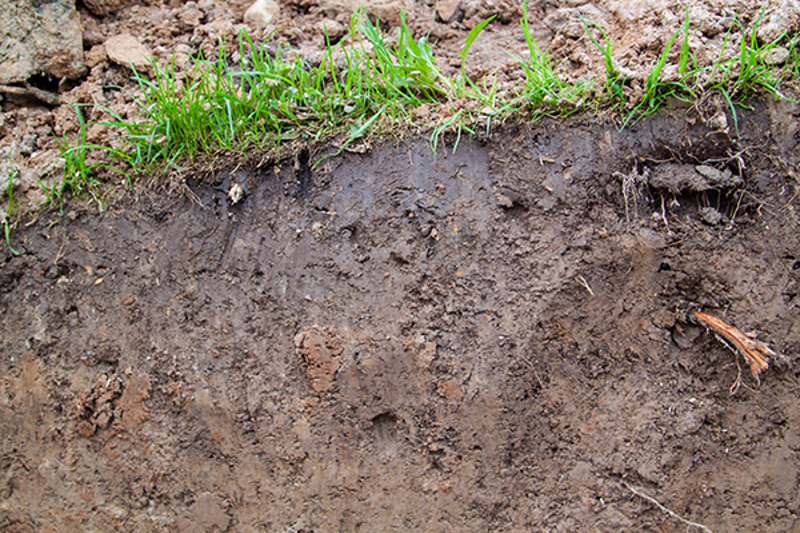
Yes, that is one of the biggest benefits of a soil compaction test. The test does not just point out a problem. It helps guide the next step.
When clients ask how to fix compacted soil, the answer depends on the tree, the soil type, the age of the compaction, and how much root damage has already happened. ArborWorks may suggest one or more of these steps:
Air spading or soil loosening in the root zone.
This method breaks up dense soil with air instead of cutting roots with heavy digging tools. That can help reopen space for oxygen and water. It’s a smart option when roots need relief and the site needs a careful touch.
Organic mulch placed the right way.
A proper mulch ring can help hold moisture, cool the soil surface, and cut down on future compaction from mowing and foot traffic. The mulch should stay away from the trunk flare. Piling mulch against the bark causes a different set of problems.
Traffic control around the tree.
Sometimes the best fix starts with prevention. ArborWorks may recommend moving vehicle routes, changing storage areas, or setting a barrier around the critical root zone. Oregon State Extension warns that construction and fill over roots can block air and water, which can lead to decline and decay.
Root-zone care tied to the tree’s condition.
Some trees need pruning, soil care, and follow-up checks. Others may need a wider risk review if decline has gone too far. In those cases, ArborWorks may connect soil findings with Tree Trimming, Storm Prep & Risk Mitigation, or, if the tree is no longer safe, Tree Removal.
Why a Soil Compaction Test Can Save Money and Trouble Later?
A soil compaction test often costs far less than waiting for a tree to decline, crack, uproot, or die. Once a mature tree starts showing major stress from root-zone damage, recovery can take time. In some cases, the damage cannot be reversed.
That is the hard truth with compacted soil. The problem starts below grade, where no one sees it. Then months later, the canopy starts to thin. A year later, a limb drops. After that, the owner is left asking what changed. Many times, the answer traces back to root-zone pressure from traffic, fill, or construction.
ArborWorks wants clients to catch the issue before the tree reaches that point. A soil compaction test is one of the clearest ways to do that.
When Should You Schedule a Soil Compaction Test?
A soil compaction test makes sense any time a tree has been through site stress. Good times to call ArborWorks include:
- After construction, trenching, paving, or grading near mature trees.
- After repeated flooding, poor drainage, or standing water.
- After storm cleanup that brought heavy equipment into the yard.
- When a tree shows dieback, leaf thinning, poor growth, or early fall color.
- When roots seem shallow, exposed, or weak near the surface.
- Before a large project starts, so the root zone can be protected from day one.
That last point matters a lot. It is far easier to keep soil from getting compacted than to undo years of pressure after the fact.
Contact ArborWorks for Soil and Tree Services in Louisiana
A soil compaction test gives ArborWorks a practical way to spot hidden root-zone stress before it turns into a larger tree problem. If a yard has compacted soil, slow drainage, construction damage, or signs of decline, this test can help explain what is going on and what should happen next.
If a tree on your property looks stressed or a recent project may have packed the soil around it, ArborWorks is ready to help. Schedule a visit through the Contact Page or call (985) 951-0128 to talk with the team.
FAQs About Soil Compaction Test
What is a soil compaction test?
A soil compaction test measures how dense and resistant the soil has become. ArborWorks uses it to check whether the ground around a tree is too tight for healthy root growth.
What is soil compaction in simple terms?
Soil compaction means the ground has been pressed down so much that roots, air, and water cannot move through it the way they should.
Can compacted soil kill a tree?
Yes, it can. A tree may decline slowly in compacted soil, then show stress through dieback, poor leaf growth, weak roots, or failure during storms.
How to fix compacted soil?
The fix depends on the site. ArborWorks may loosen the soil with air tools, add mulch, limit traffic, improve root-zone care, and inspect the tree’s full condition before picking the next step.
Is a soil compaction test needed before tree work?
Not every job needs one. Still, it is a smart move when a tree shows stress, when construction took place nearby, or when the yard has drainage and root-zone issues.
Can ArborWorks help with more than the test?
Yes. ArborWorks can inspect tree health, plan protective steps before a project, prune for risk reduction, and remove unsafe trees when needed.