

Tree Diseases Explained: Signs Every Homeowner Should Watch For
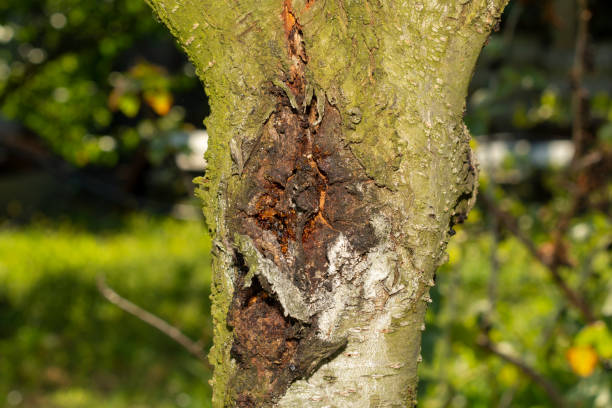
Tree diseases rarely show up overnight. In most yards, trouble builds slowly, often out of sight, until damage becomes obvious. ArborWorks sees this pattern every week during site visits. A tree can look stable from the street, yet inside the trunk or roots, disease may already be weakening its structure. When diseases of trees stay […]
Tree Fungus Explained: Common Types, Causes, and Risks Homeowners Should Know
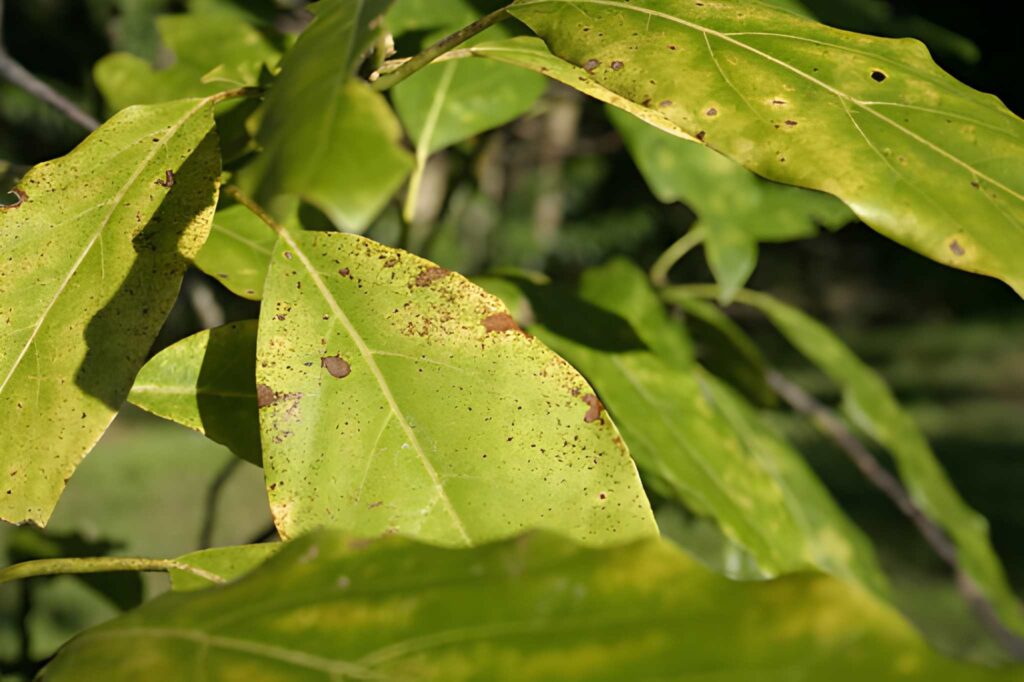
Tree fungus shows up on trees more often than most homeowners expect. From mushrooms at the base of a trunk to dark patches on bark or leaves, fungal growth often signals deeper tree health issues. ArborWorks sees this during routine service visits, especially in Louisiana’s warm, damp climate. Fungi thrive where moisture lingers, wounds stay […]
Southern Pine Beetle: Signs, Treatment and Prevention in Louisiana
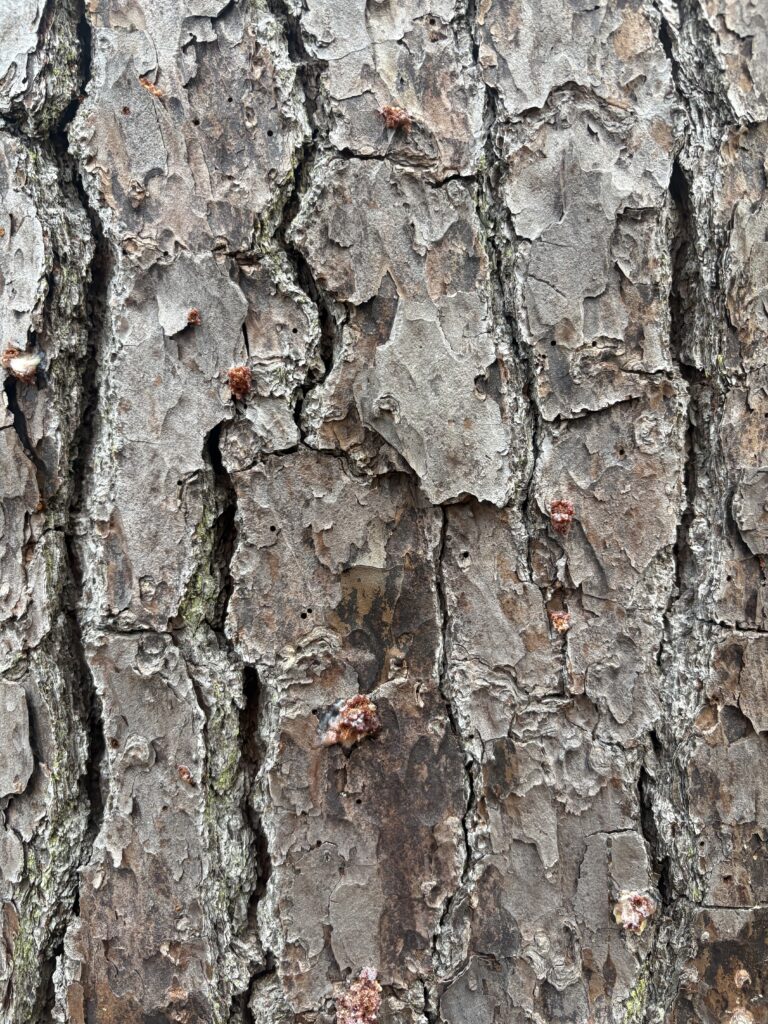
Pine trees across Louisiana’s Northshore face a serious threat that many property owners don’t recognize until it’s too late. Southern Pine Beetle ranks as one of the most destructive forest pests in the southeastern United States, and these tiny insects have been particularly active this year due to ongoing drought conditions affecting Covington, Mandeville, and […]
How to Destroy Tree Stumps? A Guide from ArborWorks
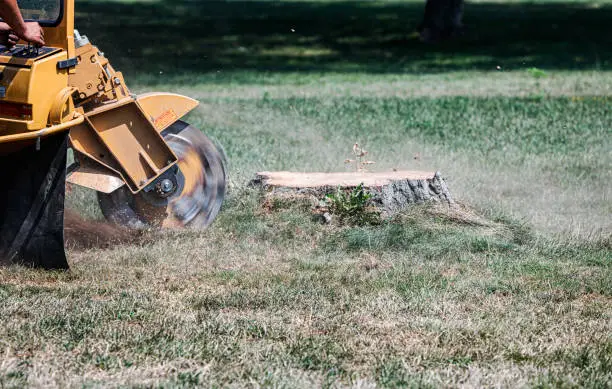
When a tree comes down, the job isn’t really finished until the stump is gone. A leftover stump creates tripping hazards, attracts pests, and keeps roots alive longer than most property owners expect. Many people search for how to destroy tree stumps, yet the process requires far more than simply cutting close to the ground […]
How to Cut Down a Tree: An Arborist’s Guide for Safe and Smart Removal
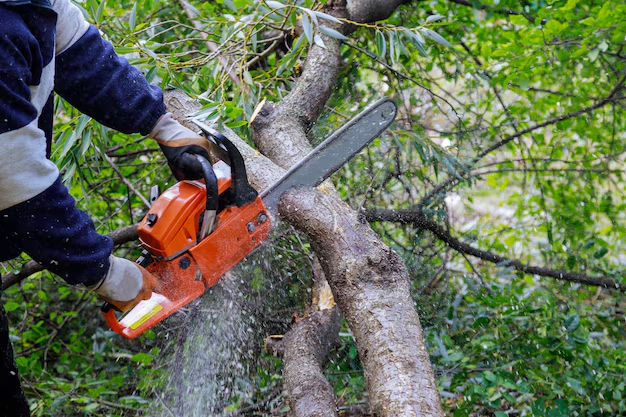
Cutting down a tree might look simple at a glance, but up close it’s far more involved than grabbing a chainsaw and taking a swing at the trunk. Every tree reacts differently once cuts begin, and small mistakes can lead to injuries, property damage, or a tree falling in the wrong direction. ArborWorks explains how […]
How to Remove a Tree Stump – A Practical Guide from ArborWorks

When a tree is taken down, the leftover stump often remains. At ArborWorks, an ISA-certified arborist emphasises that removing that stump matters—not just for looks, but for safety, future planting and overall landscape health. This post walks you through how to remove a tree stump, what stump removal involves, and how to destroy tree stumps […]
How Much Does It Cost to Remove a Tree on the Northshore?

Most Northshore homeowners pay between $300 and $2,500 to have a tree taken down. Where your tree lands in that range depends on its size, what it stands next to, its condition and how easy it is to reach. This guide explains each of those, along with storm work, insurance, permits and stump grinding, so […]
How to Trim a Fig Tree Without Damaging It

Fig trees are a favorite for many homeowners, not just for their lush leaves but also for their sweet fruit. Still, these trees need regular pruning to stay healthy, keep their shape, and produce fruit year after year. Done the wrong way, trimming can harm the tree or stunt its growth. Done the right way, […]
When Is the Best Time to Trim Trees for Health and Growth?
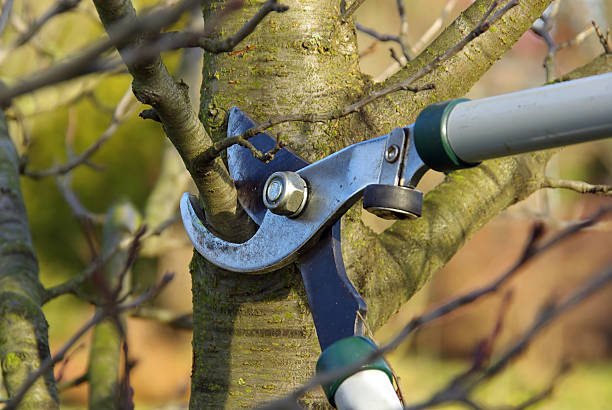
Keeping trees healthy isn’t just about watering or watching for pests. It’s also about timing. Tree trimming done at the right season can improve growth, reduce stress, and help prevent long-term problems. At ArborWorks, our ISA-certified team helps property owners understand when should you trim trees and how timing affects safety, appearance, and tree health. […]
Professional Palm Tree Trimming Services: Your Complete Guide to Healthy Trees in Louisiana
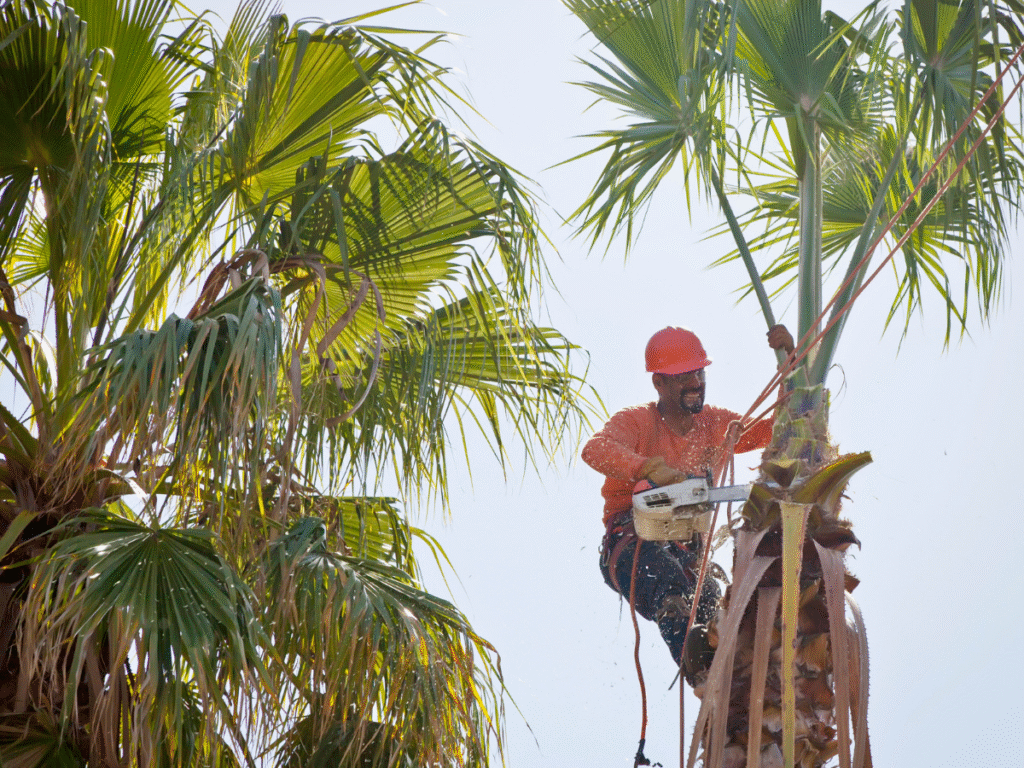
Palm trees bring tropical beauty to Louisiana landscapes, but proper palm tree trimming requires specialized knowledge and techniques. Many property owners across Abita Springs, Covington, Folsom, Lacombe, Madisonville, Mandeville, Pearl River, Slidell, Hammond, Ponchatoula, Kentwood, Bogalusa, and Franklinton don’t realize that incorrect pruning can seriously damage or even kill these majestic trees. Why Palm Tree […]