


Picking food for a tree sounds simple, right? Toss some granules around the base, water it in, and call it a day. The truth is a little more involved, and the wrong pick can do more harm than good. Trees pull what they need straight from the ground, so the fertilizer for trees you reach for has to match two big things: the soil under your feet and the kind of tree standing in your yard. Get that pairing right, and your oaks, maples, and magnolias grow stronger, shrug off pests, and ride out a rough storm season with far fewer broken limbs.
At ArborWorks, our ISA-certified arborists walk properties all over Louisiana every week, and the same question keeps popping up: what should we feed these trees? So let’s break it down in plain terms, the way we’d explain it standing right there in your driveway.
Why the Right Fertilizer for Trees Really Matters
A tree out in the forest drops its leaves, and those leaves rot right back into the dirt. That slow, steady cycle feeds the roots season after season. Your yard works a whole lot differently. We rake the leaves, bag the clippings, and haul it all to the curb, so that natural buffet never gets restocked. Over time the soil runs short, and a hungry tree starts to show it.
Maybe the leaves look pale. Maybe the new growth at the branch tips is thin and sad. Maybe the whole canopy just seems tired. Those signs often point straight back to a root system that’s not getting enough to eat. The right fertilizer for trees puts back what the yard quietly takes away. Skip it, and a weak tree turns into an easy mark for disease and boring insects. That’s also when limbs start snapping in high wind, which moves from a yard problem to a real safety problem in a hurry. If a tree has already crossed that line, our tree removal crew can step in safely.
What Is the Best Fertilizer for Trees? Start With Your Soil
Here’s the honest answer to what is the best fertilizer for trees: it depends on your dirt. No bag off the shelf has any idea what your soil already holds. So before we ever hand out a recommendation, we test the ground.
A soil test shows two things that matter most. First, the pH, which is just a measure of how acidic or alkaline the soil sits. pH controls how well roots can grab the food around them, so soil that swings too far in either direction can lock up nutrients that are already present. Second, the actual nutrient levels, which tell us what’s missing and what’s plenty. The folks over at university extension programs back this up; the University of Minnesota Extension notes that fertilizer only helps when a real shortage exists. Dumping food a tree doesn’t need can scorch roots and waste your money.
Once we know what’s going on below the surface, choosing the best fertilizer for trees gets a lot clearer. Here’s the general game plan we use:
Nitrogen-heavy blends for green, leafy push
When a soil test shows nitrogen running low, we lean toward a slow-release nitrogen product. Slow-release matters since it feeds the tree little by little over months instead of dumping everything at once. That steady drip builds full, healthy leaves without forcing weak, floppy growth that storms love to rip off.
Balanced blends for all-around health
A lot of mature trees do best with an even mix of nitrogen, phosphorus, and potassium. This kind of feed supports roots, branches, and leaves together, so the whole tree stays in balance instead of bulking up in just one spot.
Organic and compost-based feeds for tired soil
When the dirt itself is worn out, we often work in compost or organic matter alongside the fertilizer. Organic material wakes up the tiny living things in the soil, and those critters keep nutrients flowing to the roots long after the bag is empty.
Matching Fertilizer for Trees to the Tree Type You Have
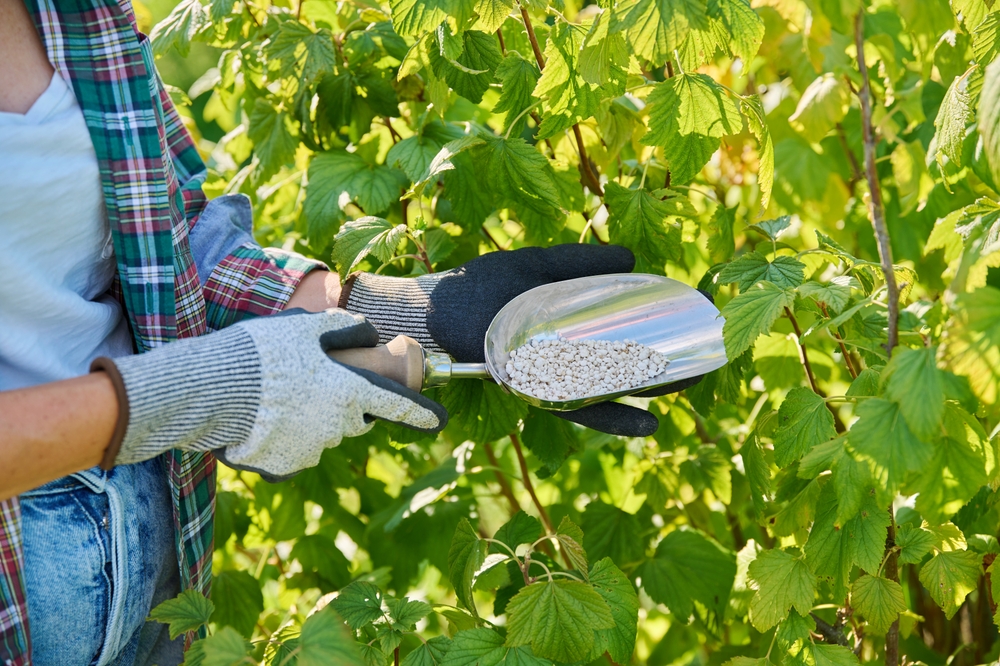
Soil is half the story. The other half is the tree itself, since different species are downright picky about what they eat. So the best fertilizer for trees on a pine-heavy lot won’t be the same one we’d pick for a row of crepe myrtles.
Acid-loving trees like pines, magnolias, and azaleas
These trees thrive in slightly acidic soil. So we choose feeds that hold that acidity steady. Give them a high-alkaline product by accident, and the leaves can yellow out even with food sitting right at the roots.
Shade trees like oaks, maples, and elms
Big shade trees have huge, hungry root zones that spread far past the trunk. So we spread feed across that whole reach, not just in a tight ring near the bark. Hit only the trunk, and most of the roots never get a bite.
Young, newly planted trees
Fresh transplants need a gentle touch. Too much fertilizer too soon burns tender roots and stalls the very growth you’re hoping for. So we go light, focus on root building, and let the tree settle in before pushing top growth.
Fruit and flowering trees
These put a ton of energy into blooms and fruit, so they often want a little extra potassium and phosphorus at the right moment. Time it well, and you get more flowers, sweeter fruit, and a tree that bounces back season after season.
Not sure which camp your trees fall into? That’s exactly what a tree health inspection is for. Our arborists read the leaves, the bark, and the soil together, then map out a feeding plan built for your exact yard.
The Best Time to Fertilize Trees in Our Climate
Timing can make or break the whole effort, so let’s talk about the best time to fertilize trees. Down here in southern Louisiana, the sweet spots are early spring and fall.
Early spring feeding gives trees a strong push right as they wake up and start growing. The roots are ready to drink, and a good meal then fuels a full, healthy flush of leaves. Fall feeding works a bit differently. As the canopy slows down, the roots keep working underground, so a fall feed gets stored away and waits to power next spring’s growth. Both windows beat the dead of summer, when heat stress means a tree can’t use the food well anyway.
That spring timing lines up nicely with another smart move: storm season prep. Healthy, well-fed trees hold their limbs better when the wind howls, so pairing feeding with storm prep and risk mitigation gives your property a real edge before hurricane season rolls in. A round of tree trimming at the same time clears weak wood so the tree can spend its new energy where it counts.
Common Mistakes People Make With Fertilizer for Trees
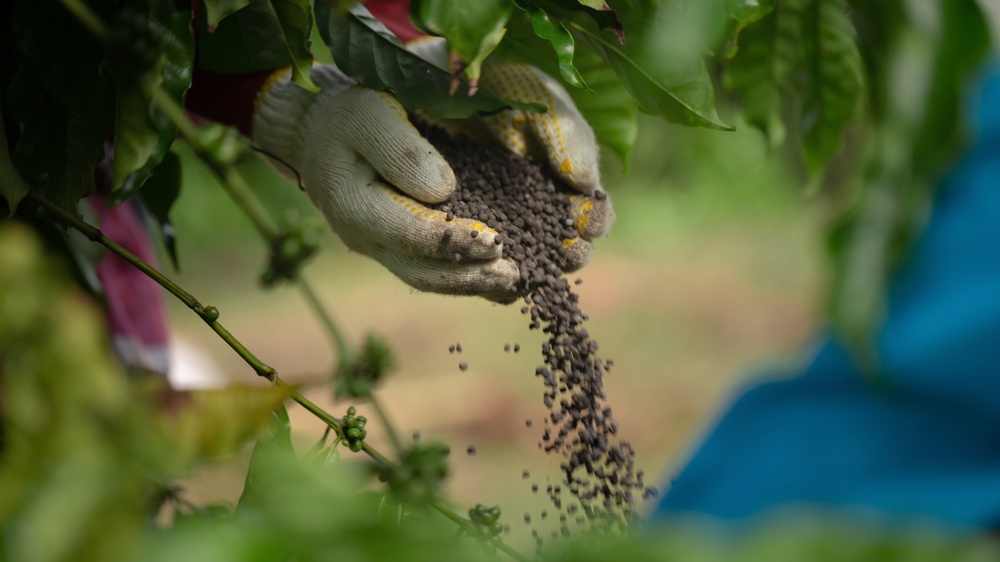
Plenty of well-meaning homeowners feed their trees and still see no payoff. So here are the slip-ups we run into most:
Guessing instead of testing
Buying a random bag and hoping for the best is the number one mistake. Without a soil test, you’re feeding blind, and you might pile on a nutrient the tree already has plenty of.
Feeding the lawn, not the tree
Lawn fertilizer and tree fertilizer are not the same animal. Lawn feed pushes fast top growth that suits grass, but it can throw a tree off and leave the deep roots wanting.
Going overboard
More is not better. Too much fertilizer burns roots, scorches leaf edges, and can even pollute nearby water. A light, correct dose beats a heavy, careless one every single time.
Feeding at the wrong moment
Dumping food on a stressed tree in peak summer heat does almost nothing. So timing the feed to spring or fall makes every grain count.
How ArborWorks Picks the Best Fertilizer for Trees
So how do we get it right? Our process is simple, and it starts with looking before leaping. An arborist visits the property, checks each tree, and pulls soil samples. Once the numbers come back, we match a feed to both the soil and the species, then apply it at the right depth and the right time. Deep-root feeding gets the food down where the working roots actually live, not just sitting on top of the mulch.
This is the heart of our tree fertilization service, and it’s built around your yard, not a one-size-fits-all bag. We serve communities across the region too, so check our areas we serve to see if your neighborhood is on the list. Truth be told, the right plan often saves money down the road, since a healthy tree rarely needs the costly emergency work a neglected one does.
Let ArborWorks Choose the Best Fertilizer for Trees on Your Property
A tree is a long-term investment, and the right feeding plan keeps it strong for decades. So don’t leave it to guesswork or a random bag from the hardware store. Let our ISA-certified arborists test your soil, read your trees, and match the perfect fertilizer for trees to your yard.
Ready to give your trees what they actually need? Call ArborWorks today at (985) 951-0128 or reach out through our contact page. Let’s keep your trees healthy, safe, and standing tall season after season.
FAQs About Fertilizer for Trees
How often should trees be fertilized?
Most established trees do fine with one feeding a year, usually in spring or fall. Young or stressed trees sometimes need a touch more attention, so a quick inspection settles the question for your specific yard.
Can the wrong fertilizer for trees actually hurt them?
Yes, and it happens more than you’d think. Too much nitrogen, the wrong pH balance, or feeding at the wrong time can burn roots and weaken a tree. That’s why testing first beats guessing.
What is the best fertilizer for trees in a brand-new yard?
For fresh soil around a new home, a balanced, slow-release feed paired with organic matter usually works well. A soil test still gives the clearest answer, so it’s worth doing before you plant much of anything.
Is store-bought fertilizer good enough?
It can be, but only if it matches your soil and tree type. Many homeowners grab a generic bag and miss the mark. A short call with our team points you toward the right pick.
When is the best time to fertilize trees if I missed spring?
Fall is your backup window. The roots stay active underground after the leaves slow down, so a fall feed gets stored and powers strong growth come spring.