


Homeowners often ask, what is the difference between tree trimming and pruning? That question comes up during almost every visit. The terms sound alike, and many companies use them as if they mean the same thing. Yet tree trimming and pruning serve different purposes, and knowing the difference helps protect both the tree and the property.
At ArborWorks, clear communication matters. Clients deserve to know what work will take place in the yard and why it matters.
In simple terms:
- Tree trimming focuses on shaping and managing growth.
- Tree pruning focuses on the health and structure of the tree.
Both services fall under proper tree care, yet each one plays a different role in keeping trees safe, strong, and attractive.
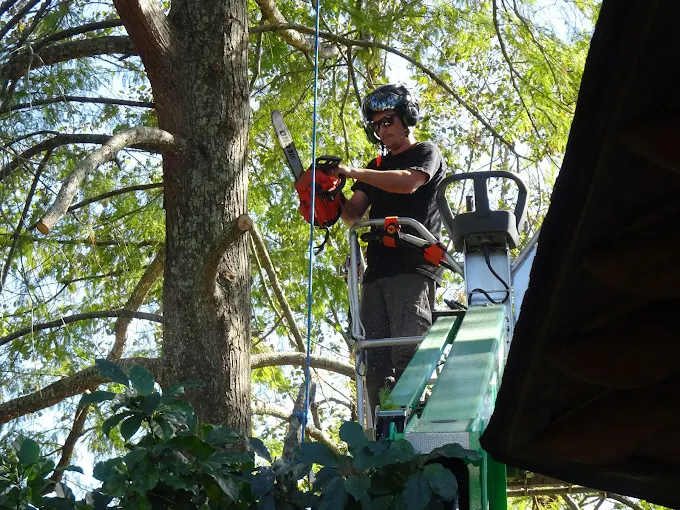
Understanding Tree Trimming and Pruning: What Is Tree Trimming?
Tree trimming improves a tree’s appearance and manages how it grows. Think of trimming as a haircut for the tree. It keeps branches from getting too long, too heavy, or too close to structures.
For example, trimming helps when branches hang over a roof, block a driveway, or brush against power lines. Overgrown limbs can scrape shingles, clog gutters, and create damage during storms. Regular tree trimming prevents those problems before they start.
Tree trimming often involves:
- Reducing overextended branches. Long limbs become heavy over time. When wind blows, those limbs act like levers. By cutting them back properly, weight becomes balanced and stress on the trunk decreases.
- Improving clearance around structures. Branches that sit too close to a house invite pests and allow moisture to linger. Trimming creates space between the tree and the structure.
- Shaping ornamental trees. Some trees grow unevenly. Trimming helps maintain a balanced canopy that looks neat and intentional.
For homeowners in Louisiana, trimming plays an important role in storm preparation. ArborWorks offers Storm Prep & Risk Mitigation services that include selective trimming to reduce wind resistance. Strong winds push against thick canopies, so thinning them the right way lowers the chance of breakage.
Understanding Tree Trimming and Pruning: What Is Tree Pruning?
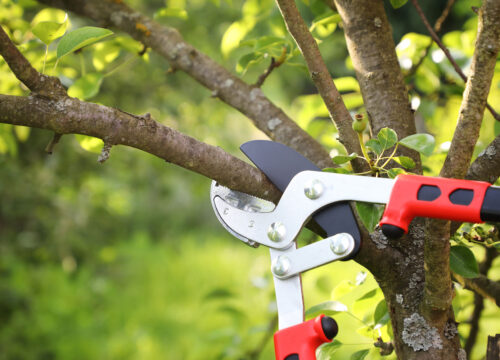
Tree pruning focuses on the health and long-term stability of the tree. Instead of shaping for appearance, pruning removes parts of the tree that harm its structure or growth.
Pruning addresses:
- Dead or diseased branches. Dead wood invites insects and decay. Removing those branches prevents the spread of disease through the tree.
- Crossing or rubbing limbs. When branches rub against each other, they create wounds. Those wounds open the door for pests and rot.
- Weak branch attachments. Some limbs grow at sharp angles and attach poorly to the trunk. Pruning removes those weak points before they fail.
Pruning requires knowledge of tree biology. Each cut affects how the tree responds. Poor cuts cause stress and trigger unhealthy regrowth. Clean, well-placed cuts help the tree seal wounds naturally. The United States Department of Agriculture provides guidance on proper pruning techniques through the USDA Forest Service, which homeowners can review for additional information.
Timing matters too. Some trees respond best to pruning during dormancy. Others benefit from light corrective pruning during active growth. ArborWorks evaluates each species and its condition before making cuts.
When trees show signs of decline, a Tree Health Inspection often comes first. After inspection, pruning may become part of a larger care plan.
Why Proper Tree Trimming and Pruning Matter for Safety
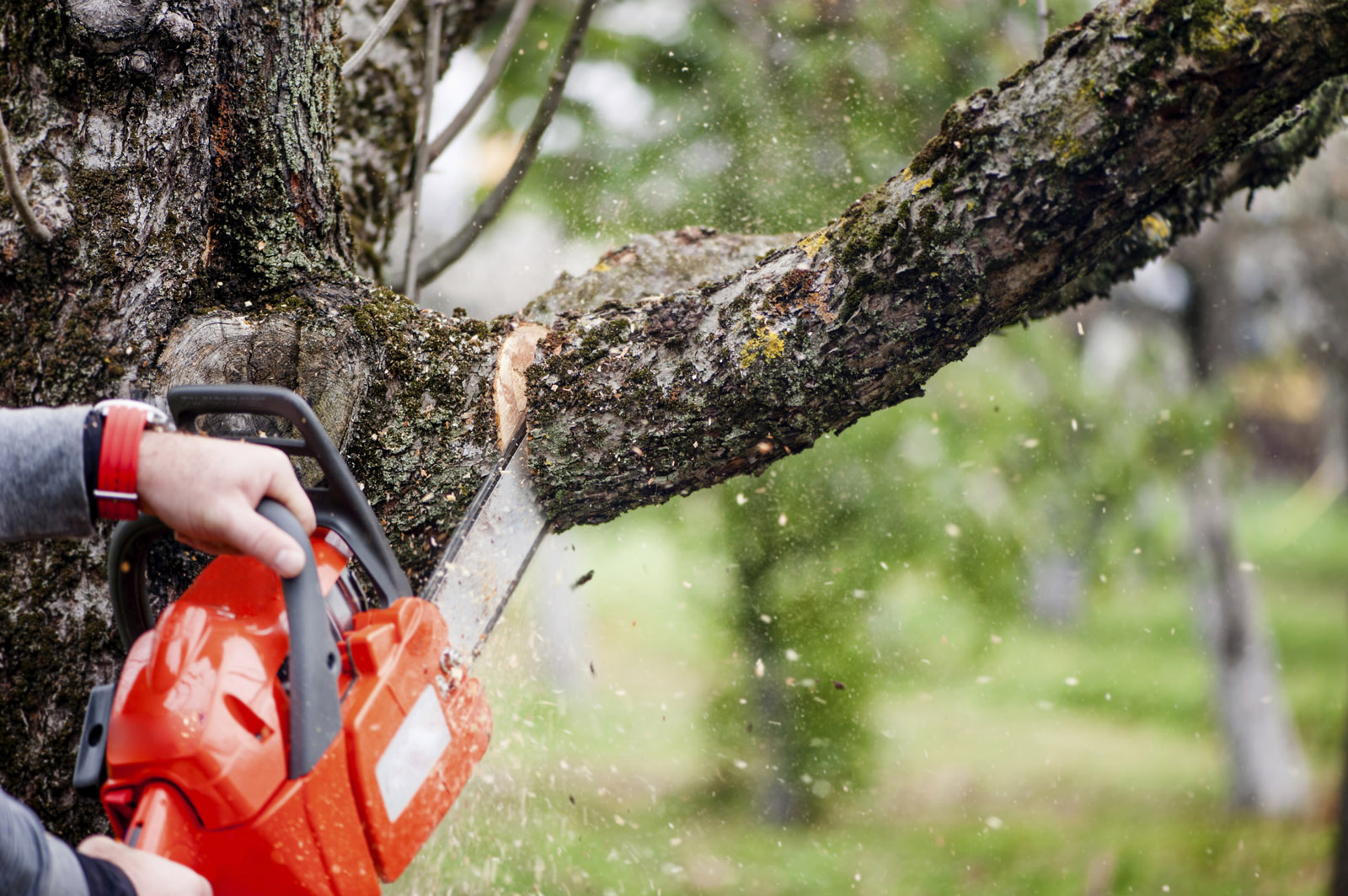
Trees add beauty and shade, yet they can become hazards if neglected. Heavy limbs snap without warning. Diseased branches fall during calm weather. Overgrown trees interfere with traffic visibility and pedestrian safety.
Regular tree trimming and pruning reduce these risks in several ways:
- Lowering the risk of falling branches. Removing weak or dead limbs decreases the chance of unexpected breakage.
- Improving structural balance. Balanced trees stand stronger during high winds.
- Maintaining safe clearance. Clear driveways, sidewalks, and rooftops protect both property and people.
In some cases, trimming or pruning cannot correct severe problems. When structural damage runs deep, removal becomes the safest option. ArborWorks provides professional Tree Removal services for trees that pose serious threats.
What Is the Difference Between Tree Trimming and Pruning in Cost and Frequency?
Homeowners often wonder how often these services should happen. The answer depends on the species, age, and location of the tree.
Tree trimming usually occurs every 1–3 years for fast-growing trees. Slow growers may need attention less often. Trees planted near homes often require more frequent trimming to maintain safe clearance.
Tree pruning depends more on health conditions. Young trees benefit from structural pruning to guide proper growth. Mature trees may need periodic corrective pruning to remove deadwood.
Skipping maintenance often leads to larger expenses later. Overgrown trees require heavier cuts, and neglected health problems spread. Routine care costs less over time and protects the investment in the landscape.
Signs Your Property Needs Tree Trimming and Pruning
Not sure whether service is needed? Look for these signs:
- Branches touching the roof or siding. Physical contact causes damage and invites pests into the home.
- Dead limbs within the canopy. Bare branches with no leaves during the growing season signal trouble.
- Uneven or leaning growth. Trees that lean or grow heavily on one side need corrective attention.
- Dense interior growth. Thick canopies block sunlight and restrict airflow, which increases disease risk.
When any of these signs appear, scheduling an evaluation helps prevent further problems. ArborWorks approaches each property with care and provides clear recommendations.
Why Hiring ArborWorks for Tree Trimming and Pruning Makes a Difference
Tree care looks simple from the ground. A ladder and a chainsaw may seem like enough. In reality, improper cuts weaken trees and create long-term damage.
ArborWorks operates with ISA-certified knowledge and hands-on field experience. Each project begins with evaluation. The goal stays the same every time: improve the tree’s structure, protect the property, and support healthy growth.
Every cut serves a purpose. Branch collars remain intact. Weight distribution stays balanced. Equipment stays maintained and professional.
Clients receive honest guidance. If trimming solves the problem, that solution gets recommended. If pruning supports better health, that becomes the plan. If removal stands as the safest choice, clear reasoning supports that decision.
Protect Your Property with Professional Tree Trimming and Pruning from ArborWorks
Trees increase property value and provide shade that makes outdoor living comfortable. At the same time, neglected trees create risk. Clear, thoughtful tree trimming and pruning protect both the landscape and the structure nearby.
ArborWorks stands ready to help homeowners make informed decisions. Whether the need involves routine trimming, corrective pruning, health inspections, storm preparation, or full removal, the team approaches every project with care and attention.
For expert service, call (985) 951-0128 or visit the Contact Page to schedule an appointment. ArborWorks proudly serves the community with dependable tree care built on knowledge and integrity.
Frequently Asked Questions About Tree Trimming and Pruning
What is the difference between tree trimming and pruning?
Tree trimming manages shape and size. Tree pruning improves health and structure. Both support safe and attractive trees.
Can trimming hurt a tree?
Improper trimming harms trees. Topping, random cutting, or over-thinning causes stress and weak regrowth. Professional trimming protects the tree’s natural structure.
How often should trees be pruned?
Young trees benefit from pruning every few years to guide growth. Mature trees may need pruning based on health conditions.
Does pruning help trees grow faster?
Pruning supports healthier growth patterns. It removes weak or diseased wood so the tree can focus energy on strong limbs.
Is storm preparation part of tree trimming and pruning?
Yes. Selective trimming and structural pruning reduce wind resistance and remove hazardous limbs before storms arrive.