


Many property owners ask, “What is mulching?” It sounds simple, yet the way mulch is applied makes all the difference between healthy trees and long-term damage.
What is mulching? In plain terms, mulching means placing a layer of material over the soil surface around trees, shrubs, or garden beds. That material may include wood chips, bark, pine straw, compost, or other natural products. The goal is to protect the soil and support plant health.
So, what does mulch do once it’s in place? It helps soil hold moisture, reduces weeds, improves soil structure over time, and protects roots from temperature swings. At ArborWorks, mulching forms part of a complete tree care strategy, right alongside services like Tree Health Inspection and proper Tree Trimming.
When mulch gets applied correctly, trees thrive. When it gets piled too high or placed against the trunk, trees suffer. That’s where professional guidance matters.
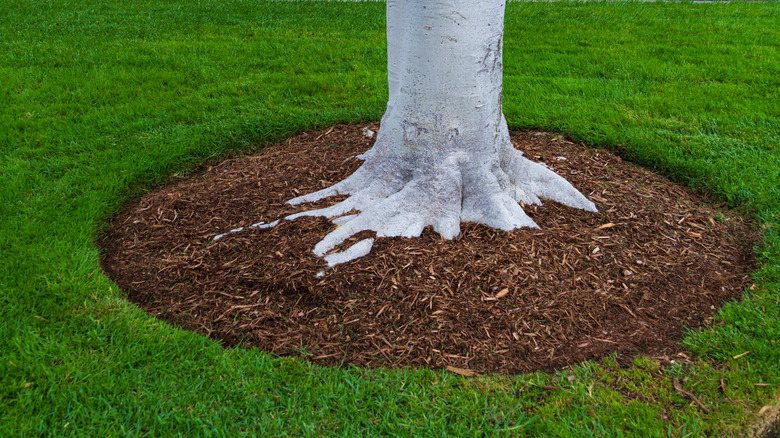
What Is Mulching and What Does Mulch Do for Trees?
When clients ask what is mulching, the next question usually follows: “What does mulch do for my trees?”
Mulch works in several ways at the same time:
Moisture retention
Mulch slows down evaporation from the soil. During Louisiana’s hot months, that layer acts like insulation for the ground. Instead of watering constantly, soil stays evenly moist for longer periods. That stable moisture helps roots grow deeper and stronger.
Temperature control
Tree roots dislike extreme heat and cold. Mulch buffers the soil surface from rapid temperature swings. In summer, it keeps soil cooler. In winter, it helps prevent sudden freezing. That steady environment reduces stress on roots.
Weed suppression
A proper mulch layer blocks sunlight from reaching weed seeds. Fewer weeds mean less competition for nutrients and water. Trees receive more of what they need to grow properly.
Soil improvement over time
Organic mulch breaks down slowly. As it decomposes, it adds nutrients and improves soil structure. According to the USDA Natural Resources Conservation Service, organic mulches improve soil health and reduce erosion when applied correctly.
When ArborWorks evaluates a property during a Tree Health Inspection, improper mulching often shows up as a root issue. Roots buried under thick mulch layers struggle for oxygen. That’s why knowing how to mulch the right way matters just as much as understanding what is mulching.
What Is Mulching? Understanding the Kinds of Mulch Available
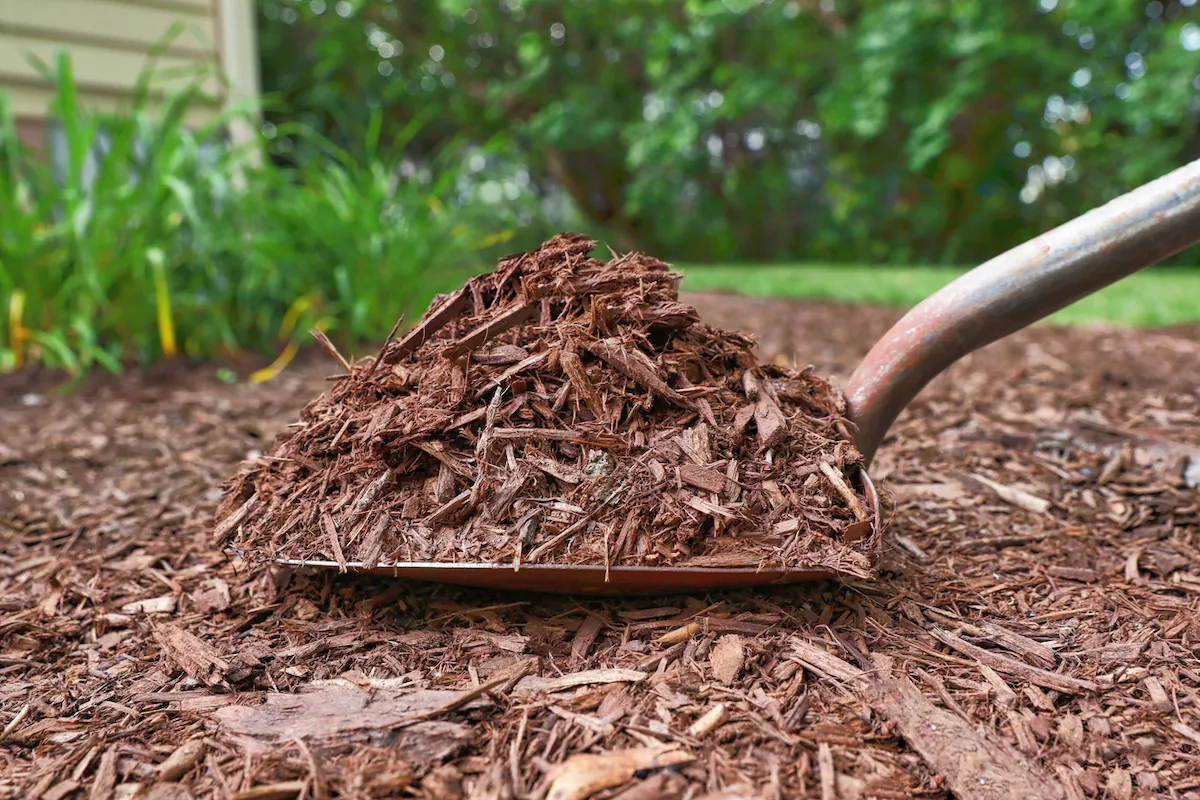
Once property owners understand what is mulching, the next step involves choosing from the different kinds of mulch. Not every material suits every situation.
Here are common options ArborWorks recommends and evaluates:
Wood Chips
Wood chips come from tree trimming and removal operations. These chips break down gradually and support soil biology. Around large trees, wood chips create a natural forest floor effect. They work well for long-term tree health.
Shredded Bark
Bark mulch has a uniform look and works well in landscaped beds. It decomposes more slowly than fine mulch. Many homeowners prefer its clean appearance around ornamental trees and shrubs.
Pine Straw
Pine straw provides light coverage and works well in areas with good drainage. It spreads easily and suits beds with established root systems.
Compost-Based Mulch
Compost improves soil fertility quickly. In planting beds or areas with poor soil, compost mulch can jump-start root development. ArborWorks often pairs compost with tree planting projects.
Choosing the right material depends on soil type, drainage, and tree species. During a consultation, ArborWorks evaluates those conditions before recommending a mulch plan.
What Is Mulching and How to Mulch Properly Around Trees
Understanding what is mulching means nothing without proper application. Many trees decline from something called “mulch volcanoes.” That happens when mulch piles high against the trunk.
Here’s how ArborWorks applies mulch correctly:
- Create a wide, even ring: Mulch should extend outward in a broad circle, ideally reaching toward the tree’s drip line when space allows. A wider ring supports more of the root system.
- Keep mulch 2–4 inches deep: Two to four inches provides coverage without smothering roots. Thicker layers trap moisture and reduce oxygen flow.
- Pull mulch away from the trunk: Leave a few inches of space around the base of the tree. The trunk should remain visible. Constant contact with mulch traps moisture against bark and invites decay.
- Refresh when needed, don’t stack endlessly: Instead of piling new mulch over old layers every year, old material should break down naturally or get lightly turned. Excess buildup leads to root problems.
When ArborWorks handles full property care, mulching often pairs with Tree Removal in areas where unhealthy trees once stood. After removal, fresh mulch stabilizes soil and prepares the space for replanting.
What Is Mulching and Why ArborWorks Handles It as Part of Complete Tree Care
Some homeowners view mulching as simple yard work. From an arborist’s perspective, it directly affects root health, storm resistance, and long-term growth.
For example, trees with shallow, stressed roots face higher failure risks during storms. That’s why proper mulching often connects with Storm Prep & Risk Mitigation. Healthy roots anchor trees better. Consistent soil moisture reduces stress cracks and instability.
Mulch works best when combined with:
- Correct pruning practices
- Regular inspections
- Soil assessments
- Root zone protection
That coordinated approach supports the tree from the ground up.
Contact ArborWorks for Surface Mulch Installation Services in Louisiana
By now, the answer to what is mulching should feel clear. It’s more than spreading wood chips for appearance. Proper mulching supports moisture control, soil health, and root strength. It protects trees through hot summers and storm seasons. Yet improper application can cause damage that takes years to correct.
ArborWorks treats mulching as part of responsible tree care. Every property receives attention based on soil conditions, tree species, and long-term goals.
For guidance on mulching, inspections, trimming, or storm preparation, call ArborWorks at (985) 951-0128 or visit the Contact Page. Professional care today helps trees remain strong and stable for years ahead.
Frequently Asked Questions About What Is Mulching
What is mulching in simple terms?
Mulching means placing a protective layer of organic material over soil around trees and plants. That layer supports moisture retention, weed control, and root protection.
How often should mulch be replaced?
Most properties need light refreshing once a year. Thick buildup should get reduced rather than stacked higher.
What does mulch do during heavy rain?
Mulch slows water runoff and reduces soil erosion. It helps water soak into the ground gradually instead of washing soil away.
Can too much mulch harm a tree?
Yes. Excessive mulch traps moisture and limits oxygen. That condition can cause root rot and bark decay.
Should mulch touch the tree trunk?
No. The trunk must remain exposed. Mulch against bark increases disease risk.