


Trees don’t fail overnight. Most tree diseases send clear signals long before serious damage shows up. From thinning leaves to odd growth on bark, these warning signs often appear months or even years ahead of major decline. ArborWorks approaches tree care as ISA-certified arborists who explain problems plainly and recommend the right next step before risk grows.
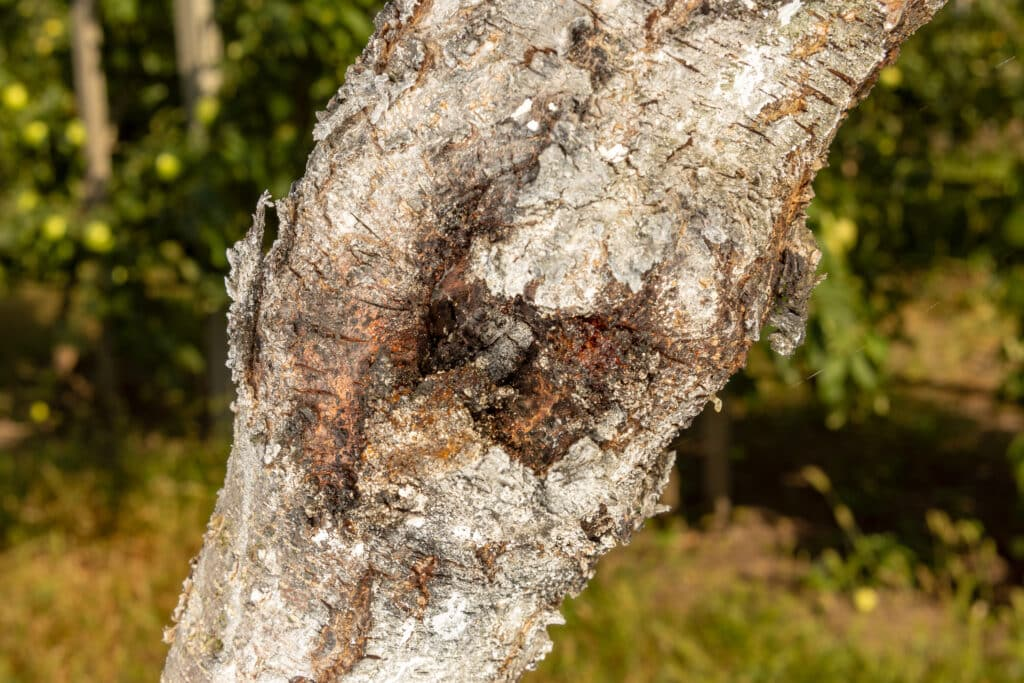
Spotting early trouble keeps trees safer, healthier, and more stable. It also lowers the chance of emergency removals after storms or sudden failures. The sections below explain how tree diseases, related tree pests, and environmental stress show up on residential and commercial properties.
Leaf Changes Caused by Tree Diseases
Leaves often show the first visible signs of tree diseases. When foliage changes early in the season, trees usually ask for help.
1. Discoloration or Yellowing
Leaves that turn yellow, brown, or pale green outside seasonal shifts point to diseases of trees affecting nutrient flow. At times, entire sections of a canopy change color while nearby branches stay green, which often signals internal stress.
2. Spots, Blotches, or Holes
Fungal tree disease and insect activity often leave dark spots, powdery coatings, or irregular holes. When damage spreads quickly, disease pressure or tree pests usually play a role.
3. Early Leaf Drop
Trees shedding leaves well before fall often struggle with disease. Over time, repeated early leaf loss weakens energy storage and reduces long-term strength.
When leaf changes linger, a professional Tree Health Inspection helps confirm the cause and prevent further damage.
Bark Damage Linked to Tree Diseases
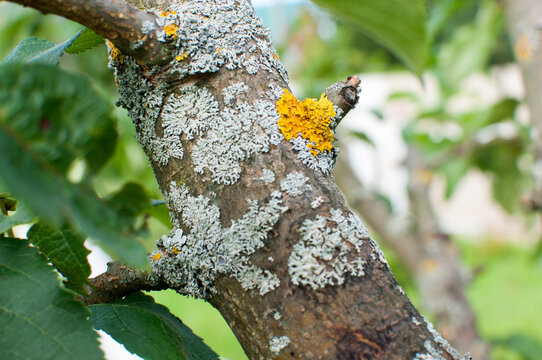
Healthy bark protects the inner structure of a tree. Once bark shows changes, tree diseases may already be active inside.
1. Cracks, Splits, or Peeling Areas
These signs often form when internal decay pushes outward. Disease pressure can weaken wood fibers, causing bark to separate or fall away.
2. Cankers or Sunken Patches
Cankers appear as dead areas on bark that stop nutrient movement. Over time, branches beyond the canker may die back.
3. Oozing Sap or Dark Stains
Excess sap flow or dark streaks often indicate infection or insect entry points tied to tree pests.
Early bark damage deserves quick attention since it can lead to branch failure or full trunk instability.
Branch Dieback and Canopy Thinning From Tree Diseases
Trees rely on balanced growth across the canopy. When tree diseases interfere, growth patterns change.
1. Dead or Brittle Branches
Branches that snap easily often suffer from internal decay or disease. These branches raise safety concerns near homes, walkways, and driveways.
2. Sparse Leaf Coverage
Thin canopies allow more light through than normal. Over time, this weakens the tree’s ability to produce energy.
3. Uneven Growth Patterns
One side of a tree growing slower than the other often signals root or trunk disease below ground.
Strategic Tree Trimming removes affected limbs and reduces stress on healthy sections, slowing disease spread.
Unusual Growth Patterns Related to Tree Diseases
Abnormal growth often appears when diseases of trees disrupt natural development.
1. Mushrooms at the Base of the Tree
Fungal growth near roots often signals internal rot. Once decay reaches this stage, structural strength drops fast.
2. Witches’ Broom Formations
Dense clusters of short, twig-like growth often link to disease or pest issues affecting hormones inside the tree.
3. Swollen Joints or Odd Bumps
Tumors or galls may form after infection or insect activity, especially in stressed trees.
When these growth patterns appear, professional evaluation helps decide whether treatment or Tree Removal offers the safest path.
Root Problems Connected to Tree Diseases
Roots remain hidden, yet tree diseases often start underground.
1. Soil Heaving or Lifting
Raised soil around a tree base suggests root instability or decay.
2. Sudden Leaning
Trees that shift position after mild weather may have root disease already present.
3. Poor Drainage Around Roots
Standing water weakens roots and invites disease organisms.
Healthy roots anchor trees against wind and storms. ArborWorks also supports long-term planning through Storm Prep & Risk Mitigation to reduce failures before severe weather hits.
Tree Pests and Their Role in Tree Diseases
Tree pests often work hand-in-hand with disease. Insects create entry points that allow infection to spread faster.
1. Visible insects or egg masses
Bark beetles, borers, and scale insects often carry disease or weaken trees enough for infection to take hold.
2. Saw dust or exit holes
Fine wood dust near trunks points to boring insects, which often worsen tree disease conditions.
3. Sticky residue on leaves or ground
Sap-sucking insects leave residue that invites fungal growth.
Managing tree pests early helps slow disease spread and protects nearby trees.
Why Early Action Against Tree Diseases Matters
Delaying care allows tree diseases to progress silently. Over time, trees lose strength, property risk rises, and treatment options narrow.
Early action:
- Keeps trees stable and visually appealing
- Reduces emergency removal costs
- Protects nearby structures and people
- Supports long-term tree health across the property
The USDA Forest Service explains how early detection helps limit disease spread and tree loss across communities.
Professional Help for Tree Diseases Starts With ArborWorks
Tree problems rarely improve without expert care. ArborWorks provides certified evaluations, clear recommendations, and safe solutions built around long-term tree health. From inspections to trimming and removal, every service supports safer properties and healthier trees.
Call (985) 951-0128 to speak with ArborWorks today or schedule a visit through the Contact Page. Early care makes all the difference when tree diseases begin to show.
Frequently Asked Questions About Tree Diseases
What causes most tree diseases?
Fungi, bacteria, viruses, and environmental stress cause many tree diseases. Poor drainage, compacted soil, and insect activity increase risk.
Can tree diseases spread to nearby trees?
Yes. Many diseases move through soil, air, insects, or shared root systems. Early inspections reduce spread.
Do all diseased trees need removal?
No. Some trees recover with proper care, pruning, and treatment. Severe cases may require removal for safety.
How often should trees receive inspections?
Annual inspections work well for most properties. Trees near buildings or high-traffic areas benefit from more frequent checks.